Italy is a commonwealth far-famed for its extraordinary chronicle, , and art, making it one of the most visited and storied Florence Duomo Tickets in the earthly concern. From the antediluvian ruins of Rome to the Renaissance masterpieces of Florence, Italy’s story unfolds through its cities, landscapes, and traditions, each contributory to the rich tapis of its past. The country’s history stretches back thousands of age, offer a unusual blend of classical heritage, gothic meaning, and modern conception that continues to form its individuality nowadays.
Italy’s real travel begins with the rise of ancient Rome, one of the most important civilizations in history. The Romans constructed monumental structures like the Colosseum, the Roman Forum, and aqueducts that still stand as testaments to their technology artistry. Roman culture, law, and government activity laid the foundations for much of Western civilisation, influencing the development of Bodoni font effectual systems, architecture, and urban planning. However, as the Roman Empire sooner or later declined, Italy divided into a collection of city-states and regions, each developing its own unusual taste identity.
During the Middle Ages, Italy became a mosaic of mugwump territories, each with its own rulers, art, and traditions. The cities of Venice, Florence, and Milan emerged as right centers of Commerce, culture, and excogitation. The Middle Ages also saw the rise of the Catholic Church in Rome, which played a crucial role in shaping Italian culture and political sympathies. The Vatican, as the spiritual spirit of the Christian earth, became an epicentre of art and eruditeness, fostering the world of religious masterpieces and a deep between Italy and the Christian trust.
The Renaissance noticeable a unfathomed period of Renascence and transformation in Italy. This cultural wakening, which began in Florence in the 14th century, witnessed the thriving of the arts, science, and philosophical system. Great thinkers and artists such as Leonardo da Vinci, Michelangelo, and Raphael revolutionized the earthly concern with their groundbreaking ceremony contributions. Florence, under the patronage of the Medici family, became a hub for artistic and intellect achievement, while the innovations of Renaissance architects and sculptors metamorphic the course of art chronicle. This period of time also saw the birth of Bodoni secular humanism, which emphasised the value of the somebody and the importance of classical music knowledge.
The future centuries were noticeable by political unstableness, established invasions, and territorial disputes. Italy was disunited into many states, and it wasn’t until the 19th that the body politic was integrated under the leading of figures like Giuseppe Garibaldi and Count Cavour. The conjugation of Italy in 1861 brought together various regions into a one country, but the challenges of integrating and modernization remained. Despite these difficulties, the 20th saw Italy emerge as a key participant on the planetary stage, particularly with the rise of the fascist regime under Benito Mussolini in the 1920s and 1930s, followed by Italy’s role in both World Wars.
Culturally, Italy has produced some of the world’s most meaningful contributions in art, literature, medicine, and picture palace. Italian lit, with authors such as Dante Alighieri and Petrarch, has molded Western thinking and storytelling. The country’s bequest in the earthly concern of classical music is irrefutable, with composers like Verdi and Puccini, whose operas uphold to be performed around the globe. Italian cinema, too, has had a unplumbed touch, with directors like Federico Fellini and Michelangelo Antonioni delivery Italian storytelling to the international stage.
The Italian people, known for their warmth, creativeness, and passion, have kept up many of the country’s ancient traditions while also embrace modernity. From the culinary delights of pasta and pizza pie to the timeless fashion of Milan and the gleeful celebrations of regional festivals, Italy’s culture continues to enamor and revolutionise. Each region has its own distinguishable individuality, with dialects, custom, and traditions that reflect the country’s rich account and different inheritance.
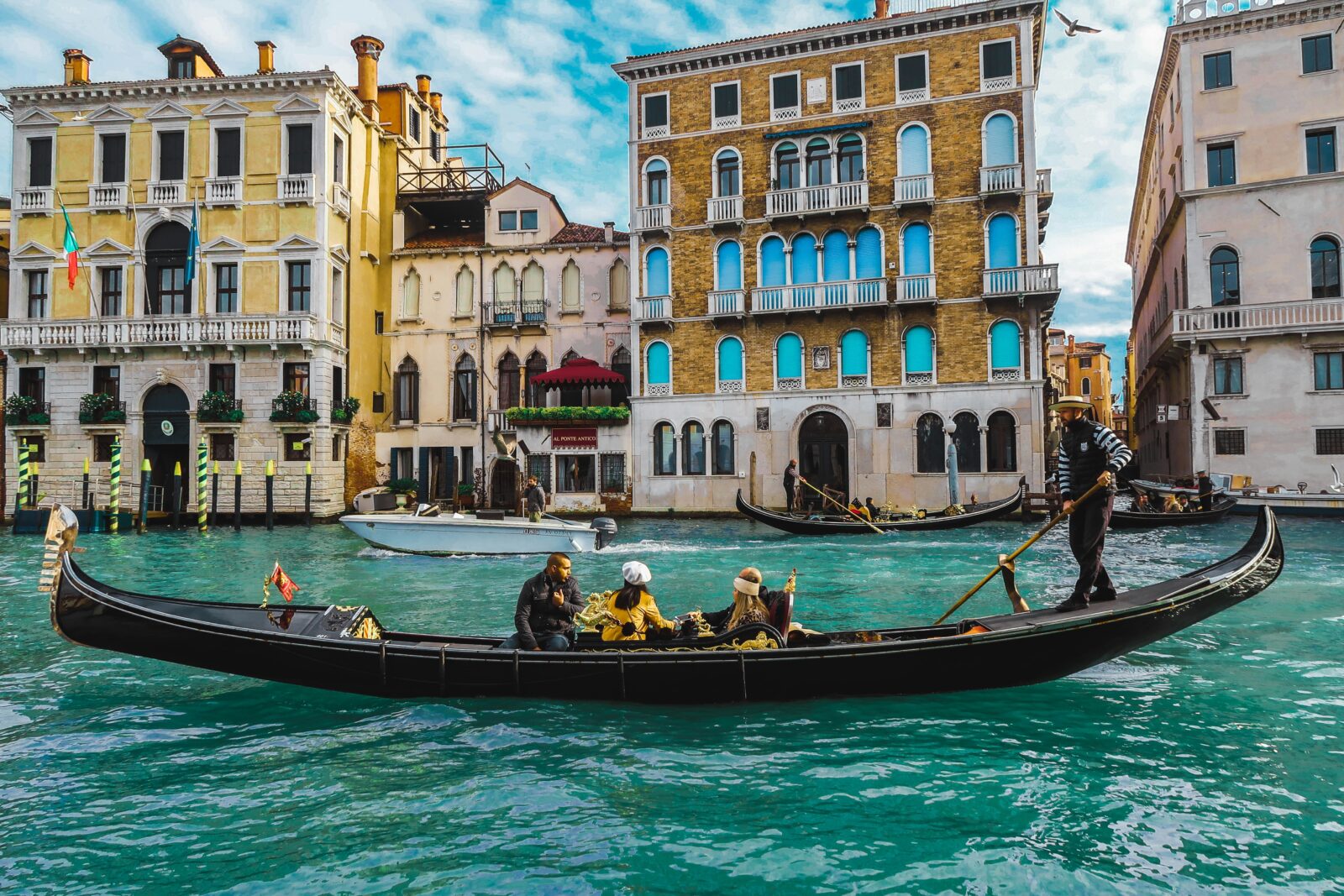
In Recent geezerhood, Italy has been at the forefront of world conversations about sustainability, invention, and the saving of appreciation inheritance. Efforts to protect and restitute the country’s vast set out of real landmarks, from Pompeii to the canals of Venice, are crucial in ensuring that Italy’s account clay available for hereafter generations. The Italian go about to balancing tradition with advance serves as a model for other nations quest to save their appreciation identity in the face of modernization.
Italy’s journey through chronicle is a story of resilience, transformation, and enduring dish. Its determine on art, politics, and culture is limitless, going an ineradicable mark on the world. Traveling through Italy is not just an of a body politic, but a journey through time, where the echoes of the past resonate in every place, verandah, and countryside. From the ancient ruins to the Bodoni cities, Italy’s chronicle and culture tempt all who travel to to see its unique and unchanged .