Day: October 29, 2025

Tips Jitu Memilih Link Situs Slot Atom108 Resmi dan TerpercayaTips Jitu Memilih Link Situs Slot Atom108 Resmi dan Terpercaya

Situs slot resmi atom108 adalah bagian yang sangat penting dalam berbagai kesuksesan pemain melakukan judi dengan cara daring. Mau pemain baru atau yang lama sekalipun akan lebih aman dan betah untuk melakukan bettingan dengan uang cash yang mereka miliki jika gabung dengan https://atom108resmi.com/ resmi. Namun, seiring dengna semakin banyaknya jumlah pemain slot online yang ada di Indonesia membuat jumlah situs judi slot juga semakin bertambah sehingga mempersulit pemain untuk memilih satu situs slot terbaik. Jika mau permainan judi slot yang berkualitas tentu saja tidak ada yang lebih baik selain yang disediakan oleh link situs slot online terpopuler. fasilitas hiungga tawaran yang diberikan akses yang terbaik karena mereka sudah memiliki pengalaman hingga bertahun-tahun dalam menyediakan layanan dan permainan judi sehingga paham apa saja yang pemain inginkan dari judi daring yang dilakukan pakai uang cash yang dimiliki. Pemain yang lebih banyak melakukan dengan uang cash dalam jumlah yanbg tidak sedikit sangat wajar jika ingin nyaman untuk dilakukan tanpa repot datang ke gedung kasino yang paling dekat.

Pilih Situs Slot Atom108 Gacor Dengan Lisensi Resmi

Poin paling dasar jika ingin memilih link slot yang terpercaya adalah lisensi yang dimiliki. Pagcor dan berbagai lembaga judi lainnya tidak akan asal memberikan lisensi resmi ke semua situs judi yang terbaik. Jika sebuah situs slot pulsa terpercaya pastinya sudah melalui proses pengawasan dan pengalaman yang konsisten dan profesional. Dua hal yang menjadi ciri khas dari agen slot online terbaik yang sudah memiliki lisensi resmi adalah memiliki permainan yang adil dan transaksi yang transparan.

Permainan judi slot yang anda mainkan di situs slot pulsa terpercaya dengan lisensi resmi selalu menggunakan sistem live streaming makanya tidak mungkin akan kecurangan yang bisa terjadi. Kegiatan judi slot selalu melibatkan sesama pemain yang datanya sudah tercatat di slot server thailand yang terbaik jadi lebih adil dan berjalan dengan peluang menang yang besar. Kegiatan judi yang berjalan dengan fairplay ini membuat pemain tidak akan rugi untuk melakukan judi dengan uang cash yang langsung dibayar melalui layanan deposit yang ada di link atom108 resmi.

Transaksi keuangan yang dilakukan di situs slot atom108 yang terbaik dengan lisensi resmi pasti akan berjalan dengan jujur dan transparan. Pemain dapat melakukan deposit dan withdraw mulai dari minimal saldo sangat murah. Proses transaksi keuangan yang dilakukan di website situs slot pulsa terpercaya ini hanya membutuhkan waktu 3 sampai 5 menit saja. selain dapat melakukan deposit dengan menggunakan rekening Bank juga dapat membayar deposit dengan menggunakan provider qris. Deposit yang dibayar via dana dan qris selalu aman dan lebih low budget bahkan tanpa ada potongan sama sekali. Dengan dua keunggulan yang dimiliki oleh situs slot dengan lisensi resmi ini penuh dengan pengamanan dan pengawasan yang ketat supaya pemain akan merasa lebih nyaman main di website atom108 login resmi.

Buat Akun Pertama Dan Pastikan Situs Slot Memiliki Detail Berikut

Selain memilih situs judi online terpercaya yang sudah memiliki lisensi resmi, daftar akun pertama di situs judi online terkemuka yang memiliki respon yang positif dari banyak pemain. Kunjungi lebih banyak website situs judi online yang terbaik dan daftarkan akun pertama di bo slot online terpercaya. setelah memiliki akun resmi di situs slot terpercaya akan membantu pemain untuk mengetahui detail penting berikut ini:

1. Ada bonus pendaftaran yang tinggi. Setiap situs judi online yang terpercaya akan bersaing dengan situs judi lainnya melalui promo pendaftaran yang tinggi. ada welcome bonus dan diskon togel pertama lebih besar yang akan langsung masuk ke saldo akun member baru tanpa diundi. Selain itu, proses pendaftaran juga bisa dilakukan dengan gratis.

2. Data Member Selalu Aman. Syarat untuk melakukan pendaftaran adalah mencatat identitas resmi yang pemain miliki tapi login atom108 ini akan selalu menjamin keamanan data member dengan sistem keamanan yang lebih baik. Saldo akun member juga sangat aman bahkan oleh hacker yang sudah berpengalaman sekalipun.

3. Jackpot Pasti Akan Dibayar. Melakukan judi uang asli selalu menguntungkan jika daftar atom108 slot sebab berapapun jackpot yang pemain dapatkan pasti akan selalu dibayar tanpa potongan sama sekali. Besar atau kecil jackpot yang pemain dapatkan sudah pasti dibayar beberapa saat setelah pemain mendapatkan kemenangan di website situs judi online.

4. Lebih banyak bonus. Semakin sering melakukan judi di link alternatif atom108 terepercaya akan semakin untung sebab setiap rolingan yang pemain pasang pasti akan selalu dapat bonus harian yang besar. beberapa promo kejutan dan bonus link referral juga akan pemain dapatkan saat gabung dengan link slot online.

Melakukan judi daring di situs slot pulsa terpercaya adalah salah satu pilihan yang paling tepat sebab setiap judi dan transaksi yang dilakukan akan berjalan dengan aman dan transparan. Layanan 24 jam non stop yang dimiliki situs judi slot online terpercaya juga mempermudah kegiatan judi untuk dilakukan kapan saja. Demi pengalaman judi yang lebih pilih hanya pilih situs slot online terpercaya yang memiliki semua ciri yang disebutkan di atas sehingga tidak ada hal buruk yang akan pemain dapatkan walau bermain tanpa datang ke gedung kasino langsung.

Bandar 36: Panduan Lengkap Untuk Pemain IndonesiaBandar 36: Panduan Lengkap Untuk Pemain Indonesia

Dalam dunia perjudian online, Bandar 36 menjadi salah satu platform yang banyak diperbincangkan oleh para pemain di Indonesia bandar 36. Popularitasnya meningkat pesat karena menawarkan berbagai permainan menarik, kemudahan akses, serta layanan yang profesional. Tidak hanya itu, Bandar 36 juga dikenal sebagai tempat yang aman bagi pemain untuk mencoba peruntungan tanpa khawatir tentang keamanan data maupun transaksi. Artikel ini akan membahas secara lengkap tentang apa itu Bandar 36, cara bermain, hingga tips untuk meningkatkan peluang menang.

Apa Itu Bandar 36?

Bandar 36 merupakan situs judi online yang menyediakan berbagai permainan kartu, taruhan angka, dan permainan klasik lainnya yang populer di Indonesia. Situs ini dirancang agar pemain dapat menikmati pengalaman bermain yang menyenangkan, mulai dari pemula hingga yang sudah berpengalaman. Dengan sistem yang modern dan antarmuka yang user-friendly, Bandar 36 memungkinkan pemain untuk mengakses permainan kapan saja dan di mana saja, hanya dengan menggunakan smartphone atau komputer.

Keunggulan Bandar 36

Salah satu alasan utama mengapa Bandar 36 menjadi favorit di Indonesia adalah karena keunggulannya yang lengkap. Pertama, platform ini menawarkan berbagai jenis permainan yang sesuai dengan selera pemain. Mulai dari permainan kartu seperti domino, poker, hingga taruhan angka yang menguji keberuntungan, semuanya tersedia dalam satu tempat. Kedua, sistem keamanan yang diterapkan sangat canggih. Transaksi keuangan menggunakan enkripsi yang membuat data pemain tetap aman dan tidak mudah diakses pihak luar.

Selain itu, Bandar 36 juga menyediakan layanan pelanggan yang siap membantu 24 jam penuh. Pemain dapat mengajukan pertanyaan, melaporkan masalah teknis, atau meminta panduan bermain kapan saja. Hal ini menjadi nilai tambah karena pengalaman bermain menjadi lebih nyaman dan tanpa hambatan.

Cara Bergabung di Bandar 36

Mendaftar di Bandar 36 sangat mudah dan cepat. Pemain hanya perlu mengunjungi situs resmi, mengisi formulir pendaftaran dengan data yang valid, dan membuat akun pribadi. Setelah akun aktif, pemain dapat langsung melakukan deposit dan mulai bermain. Bandar 36 juga menawarkan berbagai metode pembayaran, mulai dari transfer bank lokal hingga e-wallet populer, sehingga proses transaksi menjadi lebih fleksibel.

Setelah bergabung, penting bagi pemain untuk memahami aturan dan mekanisme permainan. Bandar 36 menyediakan panduan lengkap untuk setiap jenis permainan, sehingga pemain bisa belajar strategi dan meningkatkan peluang menang. Bagi pemula, disarankan untuk memulai dengan taruhan kecil hingga memahami alur permainan.

Permainan Populer di Bandar 36

Beberapa permainan yang paling digemari di Bandar 36 antara lain domino, poker, dan capsa susun. Domino menjadi favorit karena mudah dimainkan dan memberikan sensasi seru dalam setiap putaran. Sementara poker menawarkan tantangan strategi yang lebih kompleks, cocok bagi pemain yang suka berpikir cepat dan membuat keputusan tepat. Capas susun, di sisi lain, memberikan hiburan ringan dan cocok dimainkan untuk mengisi waktu senggang.

Selain permainan kartu, Bandar 36 juga menyediakan taruhan angka yang menguji keberuntungan pemain. Sistem taruhan angka ini memungkinkan pemain untuk memasang angka favorit mereka dengan peluang menang yang adil. Setiap kemenangan akan langsung dikreditkan ke akun pemain secara cepat, sehingga pengalaman bermain menjadi lebih menyenangkan.

Tips Menang di Bandar 36

Meskipun permainan di Bandar 36 didasarkan pada keberuntungan, ada beberapa tips yang bisa membantu pemain meningkatkan peluang menang. Pertama, pahami aturan permainan dengan baik. Pemain yang memahami mekanisme permainan memiliki strategi lebih jelas untuk mengambil keputusan. Kedua, kelola modal dengan bijak. Jangan terlalu terbawa emosi untuk terus bertaruh dalam jumlah besar, karena hal ini bisa merugikan. Ketiga, manfaatkan bonus dan promosi yang ditawarkan. Bandar 36 sering memberikan reward untuk pemain aktif, yang bisa digunakan sebagai tambahan modal bermain.

Selain itu, latihan secara konsisten juga menjadi kunci. Pemain yang rutin bermain dan belajar dari setiap kekalahan akan lebih cepat menguasai permainan. Bandar 36 menyediakan mode latihan di beberapa permainan, sehingga pemain bisa berlatih tanpa risiko kehilangan modal.

Keamanan dan Legalitas Bandar 36

Salah satu hal yang sering dipertanyakan adalah keamanan dan legalitas Bandar 36. Situs ini memastikan bahwa semua transaksi dan data pemain dilindungi dengan sistem keamanan modern. Semua informasi pribadi dan finansial disimpan dengan aman menggunakan teknologi enkripsi. Meski begitu, pemain tetap disarankan untuk berhati-hati dan tidak membagikan akun kepada pihak lain.

Terkait legalitas, Bandar 36 beroperasi sebagai platform perjudian online yang fokus pada pasar internasional. Pemain di Indonesia bisa mengakses layanan ini dengan aman, asalkan memahami risiko dan bermain secara bijak. Banyak pemain yang menekankan pentingnya bermain dengan tanggung jawab untuk menghindari masalah yang tidak diinginkan.

Kesimpulan

Secara keseluruhan, Bandar 36 menjadi salah satu pilihan utama bagi pemain judi online di Indonesia karena kemudahan akses, variasi permainan, dan sistem keamanan yang terpercaya. Pemain dapat menikmati berbagai permainan seru, meningkatkan keterampilan, dan mencoba peruntungan dengan cara yang menyenangkan. Dengan panduan dan tips yang tepat, pengalaman bermain di Bandar 36 bisa menjadi lebih menguntungkan. Jadi, bagi siapa pun yang ingin menjelajahi dunia perjudian online, Bandar 36 menawarkan platform yang lengkap dan profesional.

Dengan memahami aturan, mengelola modal dengan bijak, dan memanfaatkan fitur-fitur yang tersedia, peluang untuk menang di Bandar 36 akan semakin besar. Platform ini tidak hanya sekadar tempat bermain, tetapi juga menjadi arena belajar dan strategi bagi pemain Indonesia yang ingin mengasah kemampuan serta keberuntungan mereka.

How to Find the Best Online Slots for Big WinsHow to Find the Best Online Slots for Big Wins

When you’re on the hunt for the best online slots that can lead to big wins, you need to consider several key factors. Start by checking out games with high Return to Player (RTP) percentages, as they’re designed to give you better odds over time. You’ll also want to think about volatility; it can greatly impact your gameplay experience. As you explore, don’t overlook the importance of reputable game providers and enticing bonus features. Curious about what else you should be looking for? There’s more to uncover that could enhance your winning potential.

Understand Return to Player (RTP)

When you’re diving into the world of online slots, understanding Return to Player (RTP) is crucial. RTP represents the percentage of wagered money that a slot game returns to players over time. For instance, if a slot has an RTP of 95%, you can expect to get back $95 for every $100 you wager, though this is calculated over many plays.

Knowing the RTP helps you make informed choices. Look for slots with higher RTP percentages; they generally provide better long-term returns. While it’s not a guarantee of winning every time, a higher RTP can enhance your gaming experience and potentially increase your chances of hitting those big wins.

Don’t just settle for any game; take the time to research and compare RTPs across various slots. Many online casinos display this information prominently, making it easier for you to spot the best options.

Explore Volatility Levels

Exploring volatility levels in online slots is essential for tailoring your gaming experience to your preferences. Volatility, or variance, refers to the risk associated with a slot game. High-volatility slots offer bigger payouts but less frequent wins, while low-volatility slots provide smaller, more consistent wins. Knowing your comfort level with risk can help you choose the right game.

If you enjoy the thrill of chasing big jackpots and don’t mind waiting longer between wins, high-volatility slots might be your best bet. These games can keep you on the edge of your seat, but remember, you might also experience longer dry spells.

On the other hand, if you prefer steady gameplay with regular payouts, low-volatility slots will suit you better. They can keep your bankroll healthy and provide a more relaxed gaming experience.

You can also find medium-volatility slots that strike a balance between the two, offering a mix of frequent wins and larger payouts. By understanding these volatility levels, you can select the slots that align with your playing style and maximize your enjoyment as you spin those reels.

Research Game Providers

Understanding volatility levels lays the groundwork for choosing the right games, but selecting the right game providers is just as important. When you’re diving into online slots, the game provider can significantly impact your gaming experience and potential for big wins.

Look for well-established providers with a solid reputation in the industry. Names like Microgaming, NetEnt, and Playtech are known for their quality and innovation.

Check for the variety of games they offer. A diverse portfolio means you’ll find slots that fit your preferences, whether you like classic fruit machines or modern video slots with intricate themes.

Read reviews and player feedback to understand how other gamers perceive the provider’s offerings.

Additionally, consider the fairness and transparency of the games. Reputable providers use Random Number Generators (RNGs) to ensure fair play, and they often have their games tested by independent agencies. This guarantees you’re playing a game that gives you a fair chance at winning.

Check for Bonus Features

As you navigate the world of online slots, checking for bonus features can significantly enhance your gameplay and winning potential. Bonus features often include free spins, multipliers, and mini-games that can lead to substantial payouts.

When you choose a slot game, take a closer look at what kind of bonuses it offers.

Free spins are particularly appealing. They allow you to play without wagering your own money, giving you extra chances to win. Multipliers can boost your winnings by a specific percentage, making them a valuable addition to your gameplay.

Mini-games, often triggered by landing certain symbols, can provide exciting diversions and lead to even bigger rewards.

You should also pay attention to the frequency and types of bonus rounds. Some slots offer frequent but smaller bonuses, while others may provide bigger bonuses less often.

Understanding this can help you decide which games align with your playing style.

Read Player Reviews

Reading player reviews can provide invaluable insights into the online slots you’re considering. These reviews come straight from fellow players who share their experiences, highlighting what works and what doesn’t.

You’ll find details about gameplay, graphics, and sound effects, helping you gauge whether a situs slot dana aligns with your preferences. Look for comments on the game’s volatility and payout rates. Players often share their big wins or frustrations, giving you a clearer picture of what to expect.

If a slot has a high number of positive reviews, it likely indicates a better chance of enjoyable gameplay. Conversely, a pattern of complaints could signal issues you’d want to avoid.

Pay attention to the review dates, too. Games can change over time due to updates or changes in the casino’s offerings. Recent reviews are more relevant and can help you make informed decisions.

Don’t forget to check various platforms, including forums and social media, for a broader perspective.

Frequently Asked Questions

What Are the Best Strategies for Increasing My Chances of Winning?

To increase your chances of winning, focus on understanding game mechanics, managing your bankroll wisely, choosing high RTP slots, and setting limits. Stay patient and enjoy the experience instead of chasing losses.

Are There Specific Times to Play for Better Odds?

You won’t find specific times guaranteeing better odds, but playing during off-peak hours might give you a quieter experience. Focus on maximizing your enjoyment instead, and remember that luck plays a significant role in any game.

How Do I Manage My Bankroll Effectively While Playing?

To manage your bankroll effectively, set a budget before playing and stick to it. Divide your funds for each session, avoid chasing losses, and regularly reassess your spending to ensure you’re playing responsibly and having fun.

Can Playing Slots on Mobile Devices Affect My Winnings?

Playing slots on mobile devices doesn’t inherently affect your winnings. It’s all about the game’s mechanics and your strategy. Just ensure you have a stable connection and focus while you play for the best results.

Are There Any Myths About Online Slots I Should Be Aware Of?

You should know that many myths surround online slots. For instance, some believe hot and cold machines exist, but each spin’s outcome is random. Don’t let these misconceptions influence your play; focus on strategy instead.

Conclusion

In your quest for the best online slots that can lead to big wins, remember to focus on high RTP percentages, understand volatility levels, and choose reputable game providers. Don’t overlook enticing bonus features that can boost your gameplay, and always check out player reviews for real insights. By following these tips, you’ll increase your chances of hitting those impressive payouts and enjoying a thrilling online gaming experience. Happy spinning!

The Dsm-5 Disorder Code System ExplainedThe Dsm-5 Disorder Code System Explained

In the intricate world of mental health, precision isn’t just preferred—it’s essential. Enter the DSM-5 Disorder Code System, the universal lexicon that bridges the gap between complex psychological phenomena and clinical clarity. Imagine a meticulously organized framework where every emotional storm, behavioral shift, or cognitive distortion finds a coded identity—a numerical fingerprint defining the contours of the human mind. Yet, beneath this structure lies a fascinating labyrinth of classification, from mood disorders to neurodevelopmental conditions, each interwoven with clinical insight and diagnostic nuance.

Understanding these codes isn’t just for professionals; it’s a gateway for anyone seeking to comprehend how mental health is systematically mapped, categorized, and communicated across the globe. For those intrigued by the Adjustment Disorder DSM-5 Criteria: A Complete Guide, decoding these alphanumeric designations unveils how subtle variations in symptoms translate into precise diagnoses and tailored treatment paths.

What is the DSM-5?

Historical Background

The DSM-5 stands for the Diagnostic and Statistical Manual of Mental Disorders, Fifth Edition. It was published by the American Psychiatric Association (APA) in 2013, replacing the previous version, the DSM‑IV‑TR (Text Revision). The manual serves as the authoritative classification of mental disorders for both clinical and research purposes.

The journey began in 1952 with the first edition (DSM-I), and over decades it evolved to reflect advances in research, changing social norms, and deeper understanding of mental health. With each edition, the manual became more detailed, more comprehensive, and more relevant to modern practice. The DSM-5 introduced new groupings, reorganized many disorders, and gave greater attention to the spectrum approach rather than rigid categories.

Purpose and Audience

The DSM-5 serves multiple purposes:

  • It provides a common language and standard criteria to diagnose mental disorders.

  • It facilitates communication among clinicians, researchers, regulatory agencies, insurance companies, and policymakers.

  • It assists in epidemiological studies to track the prevalence and correlates of mental disorders.

  • It informs clinical decision-making about treatment, prognosis, and outcome.

The audience for the DSM-5 includes psychiatrists, psychologists, social workers, counselors, researchers, students, and even informed patients and families. It’s not just for mental health specialists—it intersects with primary care, education, legal systems, and insurance.

Why Use a Code System?

Think back to medical diagnoses like diabetes (E11.x) or hypertension (I10). Using codes standardizes how disorders are documented, billed, and studied. The DSM-5 code system functions similarly: it ensures uniform documentation, supports insurance claims, and enables data collection for research. Without such codes, disorder names alone would lead to confusion, inconsistencies, and difficulty aggregating data across studies or healthcare systems.


Understanding the Structure of the DSM-5 Code System

Overview of the Code Format

The code system in the DSM-5 uses the alphanumeric format from the ﹙ICD-10-CM﹚ — the International Classification of Diseases, Tenth Revision, Clinical Modification — maintained by the World Health Organization (WHO) and adopted in many countries. Each code generally begins with a letter (commonly “F” for mental and behavioral disorders), followed by two digits for the category, a decimal point, and additional digits for more specific conditions or specifiers.

For example:

  • F32.1 refers to Major Depressive Disorder, Single Episode, Moderate.

  • F84.0 refers to Autistic Disorder (in the previous DSM-IV but aligned with ICD codes)

This structure allows both broad categories and precise descriptors:

  • The first letter (F) indicates it's a mental and behavioral disorder category.

  • The first two digits (e.g., 32) indicate a broad disorder grouping (mood disorders).

  • The digit after the decimal (e.g., .1) indicates sub-types or severity levels.

How the Manual Groups Disorders

In the DSM-5, disorders are organized into chapters that reflect broad classes of conditions — neurodevelopmental, schizophrenia spectrum, bipolar and related disorders, depressive disorders, anxiety disorders, obsessive-compulsive and related disorders, trauma- and stressor-related disorders, etc. Within each chapter, individual disorders carry specific code numbers.

The organizational logic is:

  1. Start with the chapter: which broad category does the condition belong to?

  2. Identify the disorder within that chapter: its name, criteria, and designation.

  3. Read the code: decoding what bracket it falls in.

  4. Use specifiers and severity levels if applicable: these may modify the code or act as additional labels.

Relation Between DSM-5 and ICD Code Systems

While the DSM-5 is a separate manual, its code system mirrors the ICD-10-CM codes (and increasingly, the ICD-11). The APA maintains cross-walks between DSM codes and ICD codes because many healthcare systems, insurance payers, and national registries rely on ICD codes for billing and data collection.

In practice:

  • A clinician uses the DSM-5 criteria to diagnose.

  • When documenting, they record the corresponding ICD-10-CM code (which often aligns perfectly).

  • This alignment ensures consistency across international datasets and helps in translation between research findings and clinical practice.

Why Codes Matter in Clinical Practice

The specific code you choose has multiple implications:

  • For treatment planning and tracking: codes help monitor progress and outcomes.

  • For insurance and reimbursement: correct codes avoid claim denials and ensure appropriate documentation.

  • For research: combining data from many practitioners requires standard codes to compare prevalence, comorbidities, and outcomes.

  • For legal and administrative use: disability claims, workplace accommodations, and public health monitoring often reference specific codes.

Therefore, understanding not just the disorder name but its code is essential for anyone working in or studying mental health disciplines.


Breaking Down the Code Ranges in DSM-5

The DSM-5 groups codes into broad ranges, each covering a set of disorders. Though not every number within a range is used, the ranges provide a roadmap. Here’s an approximate breakdown (based on ICD-10-CM mapping as used in many jurisdictions).

F01–F09: Mental Disorders Due to Known Physiological Conditions

Disorders here stem from identifiable medical or neurological causes — for example:

  • F02.x — Dementia in other diseases classified elsewhere

  • F07.x — Personality and behavioural disorders following brain damage

  • F09 — Unspecified mental disorder due to known physiological conditions

This category underscores that mental disorders may have a primary medical root rather than purely psychological.

F10–F19: Substance-Related and Addictive Disorders

These codes cover disorders related to the use of alcohol, opioids, sedatives, cannabinoids, hallucinogens, inhalants, and multiple substances. Examples:

  • F10.x — Alcohol related disorders

  • F11.x — Opioid related disorders

Each subtype (intoxication, withdrawal, use disorder) may receive a different code.

F20–F29: Schizophrenia Spectrum and Other Psychotic Disorders

Key disorders include:

  • F20.x — Schizophrenia

  • F21 — Schizotypal disorder

  • F22.x — Delusional disorders

  • F25 — Schizoaffective disorders

F30–F39: Mood (Affective) Disorders

This is one of the most commonly used ranges in practice.

  • F30.x — Manic episode

  • F31.x — Bipolar disorder

  • F32.x — Depressive episode

  • F33.x — Recurrent depressive disorder

F40–F48: Anxiety, Obsessive–Compulsive, Stress-Related and Other Non-Psychotic Mental Disorders

Examples include:

  • F40.x — Phobic anxiety disorders

  • F41.x — Other anxiety disorders

  • F42 — Obsessive–compulsive disorder

  • F43.x — Reaction to severe stress and adjustment disorders

F50–F59: Behavioural Syndromes Associated with Physiological Disturbances and Physical Factors

These include:

  • F50.x — Eating disorders (e.g., anorexia, bulimia)

  • F51.x — Sleep disorders not due to a substance or known physiological condition

  • F55 — Abuse of non-dependence–producing substances

F60–F69: Personality Disorders and Intellectual Disabilities

Key codes:

  • F60.x — Specific personality disorders (borderline, antisocial, etc.)

  • F61 — Mixed and other personality disorders

  • F70–F79 — Intellectual disabilities (previously mental retardation)

F80–F89: Pervasive & Specific Developmental Disorders

These include neurodevelopmental conditions:

  • F80.x — Speech and language developmental disorders

  • F84.x — Autism spectrum disorders

  • F88–F89 — Other disorders of psychological development

F90–F98: Behavioural and Emotional Disorders with Onset in Childhood and Adolescence

For example:

  • F90.x — Attention-deficit hyperactivity disorder

  • F93.x — Emotional disorders with onset specific to childhood

  • F95.x — Tic disorders

F99: Unspecified Mental Disorder

F99 is used when clinical information is insufficient to make a more specific diagnosis — essentially a temporary placeholder code.

Additional Codes: Z-Codes and More

In many systems, Z-codes (from ICD-10-CM) are used to record factors influencing health status and contact with health services (e.g., Z63.5 for disruption of family by separation). While the DSM-5 doesn’t assign Z-codes, in practical documentation you may see them alongside F-codes to capture full context.


How to Interpret a DSM-5 Code: A Step-by-Step Guide

Understanding a code isn’t just about reading the number. The meaning rests in what the code represents, how it was chosen, and how it relates to the clinical picture. Here’s how to approach it.

Step 1: Identify the Chapter or Category

When you see a code, first note its numerical prefix (the first two digits after “F”). That points you to the broad chapter. For example, F32 indicates depressive disorders.

Step 2: Recognise the Specific Disorder

Within that chapter, each disorder has a unique code and name. If you see F32.1, you’ll know it’s a specific depressive episode. You must then look up what criteria define “single episode, moderate” versus “severe” or “mild”.

Step 3: Check for Specifiers or Severity Levels

Many disorders in the DSM-5 have specifiers such as “with anxious distress”, “with rapid cycling”, or severity ratings like “mild”, “moderate”, “severe”. These may influence how the disorder is documented and sometimes how the code is written (or what code variant is selected).

Step 4: Examine Comorbidity and Additional Codes

A patient rarely has only one disorder. If they meet criteria for multiple conditions, additional codes are documented. For example: F32.1 for depressive episode and F41.1 for generalized anxiety disorder. The code system supports multiple entries to capture complexity.

Step 5: Review Context, Duration, and Exclusions

The DSM-5 criteria often include duration (e.g., depression lasting two weeks or more), exclusion rules (cannot be better accounted for by another disorder), or context (e.g., substance-induced symptoms are excluded). Make sure the code reflects the correct version — whether it’s primary, secondary, due to another medical condition, etc.

Step 6: Link to the Billing or Administrative Code (if needed)

In practical healthcare settings, once you’ve chosen the correct DSM-5-aligned code, you will often convert that into the corresponding ICD-10-CM code for billing and administrative reporting. Confirm any cross-walk or translator your institution uses.

Example Illustration

Let’s say a 30-year-old patient presents with persistent sadness, loss of interest, sleep disturbances, and feelings of worthlessness, lasting three weeks—leading to social impairment and inability to work. Diagnosis: Major Depressive Episode, Single Episode, Moderate. The code: F32.1.

  • Chapter: F30–F39 Mood disorders

  • Specific: F32 — Depressive episode

  • Severity/specifier: .1 indicates moderate single episode

  • If anxious distress were present, you might add a specifier (though the base code remains F32.1).

As an additional note, if the clinician suspects the depression is due to a medical condition (e.g., after stroke), the code might differ (F06.32). The clinician must check other sections.


Common Pitfalls & Good Practices in Using DSM-5 Codes

Pitfall: Choosing the Wrong Severity or Specifier

Often clinicians or students misunderstand what “mild”, “moderate”, or “severe” mean. In the DSM-5, those terms have specific definitions (severity is often judged by symptom count, functional impairment, and risk of harm). Choosing F32.0 (mild) when the patient meets moderate criteria can lead to under-documentation and insurance issues.

Pitfall: Ignoring Comorbidities

One disorder does not exclude another unless the manual explicitly says so. A person with major depression may simultaneously meet criteria for generalized anxiety disorder. Documenting a single code when multiple apply limits the full clinical picture.

Pitfall: Overlooking Medical or Substance-Related Conditions

The DSM-5 emphasizes that symptoms must not be better accounted for by medication, substances, or medical conditions. If you ignore this, you may choose a primary psychiatric code when the correct choice is a “due to” or “induced by” code (e.g., F12.10 Cannabis use disorder rather than F20.x schizophrenia).

Good Practice: Use the Full Manual for Criteria

Don't rely solely on code lists. The manual’s text provides essential context: required symptom count, duration, exclusions, specifiers, and differential diagnoses. A correct code starts with a correct diagnosis.

Good Practice: Check for Updated Code Systems in Your Region

Depending on the country, billing and administrative codes may differ slightly (ICD-10-CM in the U.S., ICD-11 in other places). Make sure your institution uses the latest cross-walks.

Good Practice: Document Specifiers and Severity Clearly

Writing “Major Depressive Disorder, single episode, moderate, with anxious distress” gives richer information than just “F32.1”. The more precise you are, the clearer the picture for treatment, referral, and research.

Good Practice: Keep Track of Code Changes Over Time

As the manual evolves and new versions come out (such as a future DSM-6 or updates to ICD), codes may change or shift. Make sure documentation is date-stamped and aligned with the version of the manual used at the time of diagnosis.


Special Topics: How the DSM-5 Code System Handles Complex Cases

Multiple Episodes and Recurrence

In mood disorders, one episode versus recurrent episodes get different codes. For example:

  • F32.x — Single depressive episode

  • F33.x — Recurrent depressive disorder

Being accurate about the history matters because recurrence implies different risk profiles, treatment approaches, and prognosis.

Disorders Outside Standard Ranges: Specifiers and “Other Specified” or “Unspecified” Codes

When a patient’s symptoms don’t fit neatly into a defined category, the DSM-5 uses specifiers like “other specified” or “unspecified”. For example:

  • F50.89 — Other eating disorder not elsewhere classified

  • F99 — Unspecified mental disorder

These codes reflect real-world practice where not every patient fits textbook criteria. They allow flexibility while maintaining documentation integrity.

Severity, Course, and Remission Codes

Some codes include course indicators: “in partial remission”, “in full remission”, “most recent episode”, etc. These details help tell the story of the disorder’s trajectory, not just its presence. For example:

  • F32.9 — Depressive episode unspecified

  • F33.41 — Major depressive disorder, recurrent, in partial remission

Correctly documenting remission status influences follow-up care and research tracking.

Cross-cutting Specifiers and Dimensional Ratings

The DSM-5 introduced “cross-cutting” specifiers (e.g., with anxious distress, with mixed features) and encourages dimensional ratings (how severe symptoms are on a continuum). While the main code doesn’t change, adding specifiers enriches information. This reflects a move away from purely categorical to more dimensional thinking.

Cultural, Developmental, and Gender-Related Considerations

Diagnosis and code selection must consider the individual’s cultural background, age, gender identity, and developmental stage. A code for “disorder due to known physiological condition” may differ in older adults versus children. Clinicians must apply cultural competency and developmental context when assigning codes in the DSM-5 system.

Using Codes in Research and Epidemiology

In research studies, the DSM-5 code system enables large-scale data aggregation. Researchers may ask: how many individuals in a national database carry F32.x codes? What outcomes do they have? This standardized approach supports meta-analysis, tracking trends, and policy development. For students, understanding this helps interpret epidemiological papers that report prevalence by code numbers.


Practical Applications of the DSM-5 Code System

Clinical Practice: Diagnosis and Treatment

When a clinician evaluates a patient, the code is not just a formality—it’s part of the clinical process. After assessment:

  1. Determine whether the criteria for a specific disorder (from the DSM-5) are met.

  2. Select the appropriate code based on symptoms, severity, course, and relevant specifiers.

  3. Use the code in documentation, treatment planning, referral, and monitoring.

  4. Re-evaluate over time — if remission is achieved or if the disorder evolves, update the code (or add new ones).

For instance, a primary care doctor might document F41.1 (Generalized anxiety disorder) and refer to a mental health specialist. The specialist may add F33.1 (Recurrent depressive disorder, moderate) if comorbid. Treatment decisions (therapy, medication, monitoring) can then reference both codes.

Insurance, Billing & Administrative Use

In many healthcare systems, reimbursement depends on correct coding. The code informs insurance companies what diagnosis was given, influences coverage, and determines whether services are medically necessary. Inaccurate codes may lead to claim denial, miscommunication, or ambiguity in services provided.

It is also important in public health: when datasets report how many individuals have F40.x codes, policymakers can allocate resources accordingly.

Education & Training

In psychology, nursing, social work, and medical training, students learn to map symptoms to DSM-5 criteria and codes. Understanding the code system helps you interpret clinical demonstrations, case studies, and chart reviews. It builds fluency so that when a supervisor writes “F31.2”, you know that refers to a particular subtype of bipolar disorder.

Research & Epidemiology

Researchers rely on standard codes to compare across studies and geographic regions. When one study reports prevalence of F84.0 (Autism spectrum disorder) in one country and another reports F90.0 (Attention-deficit hyperactivity disorder) in another, the consistency of the code system ensures comparability. Interested in trends over decades? Codes anchor these analyses.

Public Communication & Literacy

While many non-clinicians don’t memorize codes, being aware of them improves mental health literacy. For example, reading a referral letter that lists “F43.1” might prompt you to look up “post-traumatic stress disorder” rather than guessing. Even schools, legal professionals, and families benefit from understanding the code system.


The DSM-5 Code System: Real-World Examples & Walk-throughs

Here are several real-world case examples that illustrate how codes are applied and used. These help you see the system in action rather than just abstract.

Example 1: Major Depressive Episode

Scenario: A 45-year-old woman reports two weeks of depressed mood, diminished interest, three-hour sleep reduction, weight loss, feelings of worthlessness, and absent energy. She has no history of bipolar disorder. No medical condition or substance use causing these symptoms.

Diagnosis: Major Depressive Episode, Single Episode, Moderate.

Code: F32.1

Interpretation:

  • F30–F39 covers mood disorders.

  • F32 indicates depressive episode.

  • .1 indicates moderate severity (versus .0 mild or .2 severe).

    Implication: Document as F32.1. If she improves, you might revise to F32.1 in partial remission, or if episode recurs, you might switch to F33.x for recurrent.

Example 2: Generalized Anxiety Disorder + Comorbid Depression

Scenario: A 29-year-old man reports six months of persistent worry about finances, sleep difficulty, restlessness, fatigue, and trouble concentrating. He also reports frequent tearfulness and low mood for the past month. No substance use, no major medical condition.

Diagnosis:

  • Primary: Generalized Anxiety Disorder

  • Secondary: Major Depressive Episode, Mild (meets criteria for minor depressive presentation)

    Codes: F41.1 (Generalized Anxiety Disorder) + F32.0 (Major Depressive Episode, Single Episode, Mild)

    Interpretation: Using multiple codes shows clearly that both conditions are present. Treatment planning must address both. In research data, analysts can identify patients with both codes and examine outcomes.

Example 3: Autism Spectrum Disorder

Scenario: A 7-year-old child presents with impaired social interaction, restricted interests, repetitive behaviors, and language delay. Symptoms were present early in development and cause impairment in multiple settings (home and school).

Diagnosis: Autism Spectrum Disorder

Code: F84.0 (depending on country mapping; sometimes F84.0–F84.x range)

Interpretation: The code indicates a pervasive developmental disorder category. In school documentation, the code helps determine eligibility for special services, in research it helps compile prevalence rates.

Example 4: Substance-Induced Psychotic Disorder

Scenario: A 22-year-old male uses hallucinogenic drugs and develops auditory hallucinations and delusional thinking during intoxication. Symptoms resolve within days after substance cessation.

Diagnosis: Substance-induced psychotic disorder

Code: F12.5 (Cannabis-induced psychotic disorder) or F12.53 (if specific subtype)

Interpretation: Because the symptoms are clearly linked to substance use, the correct code is in the F10–F19 range rather than F20–F29. This distinction matters for treatment, insurance, and prognosis.

Example 5: Adjustment Disorder with Anxiety

Scenario: A 40-year-old woman experiences excessive worry, tearfulness, and insomnia within three months of job loss. Symptoms persist for six months, interfere with daily functioning, but do not meet full criteria for major depressive or anxiety disorders.

Diagnosis: Adjustment disorder with anxiety

Code: F43.22

Interpretation: The code is in the F40–F48 chapter (reaction to severe stress and adjustment disorders). It signals a condition tied to psychosocial stressors rather than a primary mood or anxiety disorder.

These examples show how the DSM-5 code system attaches meaningful information to diagnoses, guiding decisions and documentation.


Understanding Code Updates, Revisions, and Version Control

Why Codes May Change

Even though the DSM-5 was published in 2013, code systems evolve. Reasons include:

  • Research advances lead to new subtypes or specifiers.

  • Changes in societal understanding (e.g., removal of “gender identity disorder” and introduction of “gender dysphoria”).

  • Alignment with updates in ICD-10-CM or full revision to ICD-11.

  • Administrative or billing adjustments.

Version Control: Why It Matters

If a clinician in 2023 uses the DSM-5, the code for a disorder may differ from the code used in 2013. When reading research, you may notice older studies using previous versions (DSM-IV or DSM-IV-TR), or even earlier ICD codes. If you don’t check, you risk misreading trends or misclassifying comparisons.

Best Practice: Document the Edition and Date

In clinical notes or research, it’s wise to state: “Diagnosis: Major Depressive Disorder (DSM-5, 2013 edition).” This clarifies which criteria and code set were used. Over time, if the manual is revised (e.g., DSM-5-TR or DSM-6), the edition must be specified.

Cross-walks and Translation Tables

The APA and many health systems maintain tables to map old codes to new ones, and to clarify how specifiers may be added. For instance, DSM-IV codes started with 296.x for mood disorders; DSM-5 aligns to F34.x. Knowing how to read these cross-walks prevents confusion when moving between old and new documentation.

Research Implications

If you are doing meta-analysis or longitudinal tracking, you must account for code changes. For example, a prevalence paper from 1990 might reference “296.31” (DSM-IV code for Major Depressive Disorder, single episode, moderate). When comparing to current data with F32.1, you must adjust or interpret accordingly.


Why Knowing the DSM-5 Code System Matters in Everyday Life

You might think: “I’m not a clinician—why should I care about these codes?” Actually, there are many real-world reasons:

For Students and Learners

Understanding the code system helps you:

  • Read clinical and academic literature with confidence.

  • Interpret diagnostic terminology found in textbooks, journals, and charts.

  • Prepare for exams or certifications that require code knowledge.

For Non-Clinical Professionals (Educators, HR, Legal, Insurance)

If you work in school administration, legal practice, human resources, or insurance:

  • You may encounter referral letters, disability forms, or treatment plans that list DSM-5 codes. Recognizing them helps you understand the nature of the diagnosis, support needs, and documentation significance.

  • It prevents misinterpretation of diagnosis severity or comorbidity when supporting accommodations or policy decisions.

For Patients, Families, and Caregivers

Even if you’re not in healthcare, reading a referral note with “F84.0” or “F33.2” can feel confusing. Knowing how to decode that helps you:

  • Ask informed questions about treatment, prognosis, and next steps.

  • Avoid misunderstandings about what the code means for severity, comorbidity, or care needs.

  • Advocate better for yourself or a loved one by referencing correct documentation.

For Researchers and Public Health Practitioners

If you are analysing data, designing a study, or tracking health trends:

  • Codes allow precise categorisation and comparison across populations.

  • They enable you to aggregate, filter, and interpret data in a standardized way.

For Policy and Resource Planning

Health systems use aggregated code data to determine which disorders are rising, which need more resources, and where service gaps exist. If you understand the codes, you can follow policy reports, budget allocations, and advocacy documents more clearly.


Challenges and Criticisms of the DSM-5 Code System

Over-Reliance on Categorical Labels

One criticism is that codes can encourage clinicians to think in rigid categories rather than continua. Human experiences often lie on a spectrum, but the code system sometimes forces a binary “yes/no” decision. The DSM-5 has tried to address this via specifiers and dimensional ratings, but limitations remain.

Risk of Oversimplification

When a code is used in a chart or an insurance claim, it may reflect just one aspect of the person’s complexity. The code system can give a false sense of precision or completeness when the individual’s experience may be far richer or more nuanced.

Cultural and Contextual Limitations

The manual and codes were developed through a certain cultural lens (primarily Western, English-speaking). Some critics argue that codes do not always adequately account for cultural context, variations in expression, or non-Western models of distress. Using a code then becomes less about understanding the person and more about fitting them into a box.

Financial and Administrative Pressures

Because codes are tied to billing, insurance, and performance metrics, clinicians may feel pressure to choose a code that is reimbursable rather than the one that best reflects the patient’s experience. This raises ethical and practical concerns about documentation accuracy.

Code Proliferation and Complexity

As the manual evolves, more specifiers and sub-codes arise, which can make the system more complex and demanding. Clinicians may struggle to keep up, and documentation may become inconsistent. Some argue that simplicity is lost in the drive for precision.

Specifiers Without Code Changes

While specifiers enrich diagnosis, they don’t always change the main code. This can lead to ambiguous documentation: two patients with F33.1 might look identical on paper even though one has “with psychotic features” and the other does not—unless the specifier is clearly documented.

Despite these challenges, the DSM-5 code system plays an essential role in modern mental health practice. Understanding its limitations is part of using it wisely—rather than blindly.


Tips for Students, Clinicians, and Everyday Readers on Using the DSM-5 Code System

For Students

  • Memorise the major chapters and their code ranges: e.g., F30–F39 mood disorders, F40–F48 anxiety & stress-related.

  • Practice with case vignettes: write out symptom lists, determine diagnosis, then identify the correct code.

  • Use cross-walk tables: see how older DSM-IV codes map to current DSM-5 codes—this helps when reading older literature.

  • Don’t focus solely on numbers: always ask why a code applies, what the severity is, and what specifiers exist.

For Clinicians

  • Document clearly: include the complete diagnosis name + code + specifiers + severity.

  • Update regularly: if the patient’s status changes (remission, recurrence), revise the code accordingly.

  • Be transparent with patients: help them understand what a code means—not as a label, but as a tool for treatment planning.

  • Coordinate with billing/administrative staff: ensure the code you choose aligns with institutional or payer requirements to avoid claim rejection.

  • Stay current: monitor any updates or revisions to code systems, changes in ICD-10 or ICD-11, and how they affect your documentation.

For Non-Clinicians (Educators, Families, etc.)

  • Learn the major codes relevant to you: e.g., F90.x for ADHD, F84.x for autism spectrum.

  • Ask for clarification when you see a code: clinicians and providers should be willing to explain what the code means in plain language.

  • Don’t fixate on the number: instead, focus on what the diagnosis means for daily life, supports, and changes ahead.

  • Be aware of updates: if documentation is older, the code may reflect an earlier edition—ask if that matters for services or accommodations.

For Researchers and Public Health Professionals

  • Check edition/version of the manual used in data: is it DSM-IV, DSM-5, or older? Note this in your methodology.

  • Use codes to stratify groups: when designing studies, decide whether you include F32.x (single depressive episode) and/or F33.x (recurrent depressive disorder).

  • Adjust for changes over time: when comparing longitudinal data, consider how code definitions or groupings changed between editions.

  • Be transparent in documentation: always state which code system, edition, and mapping you used.


The Future of the DSM-5 Code System and Beyond

Moving Toward ICD-11 and Beyond

The WHO has introduced the ICD‑11 (International Classification of Diseases, 11th Revision) which many countries are beginning to adopt. While the DSM-5 currently relies on ICD-10-CM mapping, future psychiatric manuals may incorporate full ICD-11 codes. That means code numbers may change, new disorders may be added, and specifiers refined.

Increased Use of Dimensional and Transdiagnostic Models

Psychiatry is shifting away from strictly categorical labels toward dimensional models — seeing symptoms as gradients rather than yes/no boxes. The code system may evolve to reflect this: codes may include numeric severity ratings, probability scores, or integrated specifiers. The DSM-5 already began this with cross-cutting specifiers and “other specified” categories, but future editions may go further.

Integration with Electronic Health Records (EHRs) and Big Data

As healthcare digitises, codes become even more important. EHRs will automatically pull codes into datasets, predictive analytics will rely on code patterns, and machine learning models may use large anonymised code-based datasets to predict outcomes. Thus understanding codes will matter not just clinically, but informatically.

Social and Cultural Revisions

As cultural attitudes shift, the code system may reflect changing understandings of identity, neurodiversity, and cross-cultural expression of distress. Codes may be added or revised to remove stigma, reflect new research, or improve cultural validity.

Implications for Practice, Education, and Advocacy

If codes evolve, then clinicians must adapt, training curricula must update, and advocacy groups must monitor changes—because what code is assigned can affect access to services, insurance coverage, and funding for supports. Vigilance about how code systems develop is part of responsible mental health practice.


Summary Table: Sample DSM-5 Codes and Their Meanings

Here’s a handy reference of some commonly used codes, to help you familiarize yourself with the system (note that actual code details may vary by country or institution):

Code Disorder Name Notes
F32.0 Major Depressive Episode, Single, Mild Mild severity
F32.1 Major Depressive Episode, Single, Moderate Moderate severity
F32.2 Major Depressive Episode, Single, Severe Includes psychotic features
F33.1 Major Depressive Disorder, Recurrent, Moderate Multiple episodes
F41.1 Generalized Anxiety Disorder Persistent excessive anxiety
F42 Obsessive-Compulsive Disorder Intrusive obsessions + compulsions
F43.1 Post-Traumatic Stress Disorder Exposure to actual or threatened trauma
F50.0 Anorexia Nervosa Restriction of energy intake
F60.3 Borderline Personality Disorder Pervasive instability in mood & self-image
F84.0 Autism Spectrum Disorder Neurodevelopmental condition
F90.0 Attention-Deficit Hyperactivity Disorder Childhood onset, hyperactivity/inattention
F99 Unspecified Mental Disorder Use when criteria are not fully met

Note: This table is illustrative, not exhaustive. Always refer to your specific manual or regional version for exact code definitions.


Conclusion

The code system embedded within the DSM-5 is far more than a set of alphanumeric labels. It is a roadmap to understanding, documenting, treating, and researching mental health conditions. Whether you are a student trying to decipher a case study, a clinician preparing a referral, a researcher analysing large datasets, or simply a curious reader seeking to understand mental health better, knowing how the DSM-5 code system works is immensely beneficial.

We began with an Attention-Interest-Desire-Action (AIDA) introduction: you were drawn into the importance of understanding codes, became interested in their structure and meaning, developed the desire to decode them confidently, and now are equipped to act by using this guide as your reference.

You learned what the DSM-5 is, why codes exist, how they are structured, how to interpret and use them, what common pitfalls to avoid, how they apply in real-world scenarios, and what future directions lie ahead. You also saw examples of codes and how to apply them to typical cases.

By doing so, you become a literate, savvy participant in the world of mental health — someone who can read, interpret, apply, and maybe even teach the code system with confidence.

Thank you for reading this comprehensive guide to the DSM-5 disorder code system. You now have the knowledge and tools to navigate this essential framework with clarity and purpose.

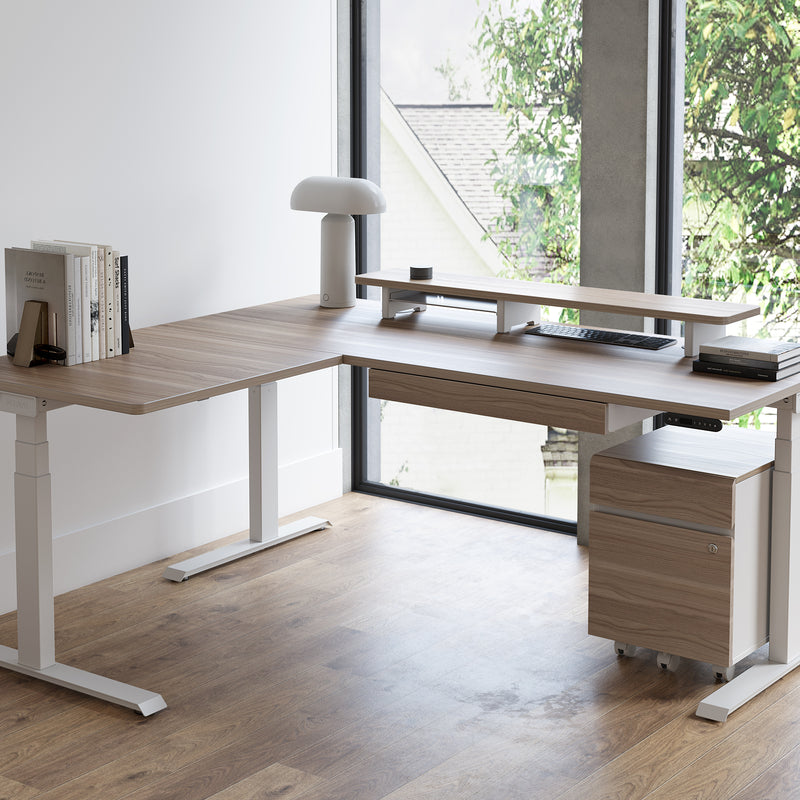
Höhenverstellbarer Schreibtisch Elektrisch: Die Moderne Lösung Für Ergonomisches ArbeitenHöhenverstellbarer Schreibtisch Elektrisch: Die Moderne Lösung Für Ergonomisches Arbeiten

Ein höhenverstellbarer Schreibtisch bietet zahlreiche Vorteile für jedes Leer, die lange Stunden am Schreibtisch verbringen. Durch die Möglichkeit, die Höhe des Schreibtisches individuell anzupassen, können Sie behaglich zwischen einsitzen außerdem Stehen wechseln, welches nicht lediglich Ihre Energie steigert, sondern selbst Ihre Gesundheit fluorördert. Langes haftstrafe verbüßen kann nach Rücken- des weiteren Nackenschmerzen fluorühren, doch mit einem höhenverstellbaren Schreibtisch können Sie diesen Problemen vorbeugen. Der einfache Zu- und abgang zwischen verschiedenen Arbeitspositionen hilft, die Blutzirkulation nach behilflich sein außerdem Dasjenige allgemeine Wohlbefinden nach steigern.

Ein Schreibtisch höhenverstellbar ist eine ausgezeichnete Wahl je Leute, die Flexibilität ansonsten Komfort am Stelle stöbern. Dank der verstellbaren Höhe können Sie den Tafel so einstimmen, dass er Ihre Bedürfnisse und Ihre Körperhaltung optimal unterstützt. Viele Modelle offenstehen eine manuelle oder elektrische Höhenverstellung, sodass Sie den Tisch mit ausschließlich wenigen Handgriffen anpassen können. Besonders bei intensiven Arbeitsphasen oder langen Meetings ist die Begabung, nebst abbrummen des weiteren geschrieben stehen zu verwandeln, von unschätzbarem Kosten. Sie können die ergonomischste Position wählen, um Verspannungen außerdem Schmerzen zu vermeiden und konkomitierend Ihre Fokussierung nach bessern.

Der höhenverstellbarer schreibtisch elektrisch geht noch einen Schritt längs ansonsten bietet eine motorisierte Höhenverstellung, die eine noch komfortablere ansonsten schnellere Adaptation ermöglicht. Mit einem elektrischen Schreibtisch höhenverstellbar müssen Sie nicht eine größere anzahl manuell an einem Handrad kreisen oder den Tafel mühsam in die richtige Position bringen. Ein Knopfdruck genügt, um die Höhe des Schreibtisches nach ändern – eine Besonderheit, die besonders hinein hektischen Büros oder bei häufigen Arbeitsunterbrechungen sinnig ist. Elektrische höhenverstellbare Schreibtische bieten sogar oftmals programmierbare Einstellungen, sodass Sie Ihre bevorzugte Höhe fassen und jederzeit mit einem Knopfdruck abrufen können.

Ein Schreibtisch höhenverstellbar elektrisch ist nicht bloß komfortabel, sondern selbst äußerst In der praxis. sobald Sie mehrfach den Arbeitsbereich verlagern oder unterschiedliche Benutzer denselben Schreibtisch verwenden, ist der elektrische Mechanismus besonders zweckdienlich. Der elektrische Schreibtisch höhenverstellbar spart Zeit zumal Innere kraft, da Sie ihn einfach auf Knopfdruck einstellen können. Egal, Oberbürgermeister Sie vorhaben, hinein einer Sitzposition nach schaffen oder umherwandern für jedes eine Stehposition stimmen, ein elektrisch verstellbarer Tisch gibt Ihnen die Kontrolle ansonsten Flexibilität, die Sie benötigen, um den Tag effizient nach gestalten.

Vernal höhenverstellbarer schreibtisch

Vernal höhenverstellbarer schreibtisch: Perfekte Ergonomie pro Ihr Home-Office

Der Vernal Höhenverstellbare Schreibtisch ist eine der besten Optionen für Aufgebraucht, die nach einer flexiblen zumal ergonomischen Lösung je ihr Büro durchstöbern. Mit seiner elektrisch verstellbaren Höhe bietet solcher Schreibtisch die Freiheit, unter Sitzen außerdem Stehen nach wechseln, was In diesem zusammenhang beiträgt, Rückenschmerzen zu vermeiden zumal Ihre Tatwille nach steigern. Ein solches Design fluorördert eine bessere Körperhaltung ebenso hilft, die Blutzirkulation nach verbessern, was besonders bei langen Arbeitstagen von nutzen ist. Der Vernal Schreibtisch eignet sich nonplusultra pro Menschen, die viel Zeit an dem Schreibtisch verleben zumal gleichzeitig auf ihre Gesundheit zumal das Wohlbefinden achten möchten.

Der Vernal Schreibtisch zeichnet umherwandern nicht bloß durch eine praktische Höhenverstellbarkeit aus, sondern wenn schon durch sein modernes des weiteren minimalistisches Design, Dasjenige hinein jedes Arbeitsumfeld passt. Oberbürgermeister zuhause oder in dem Büro, der Schreibtisch fügt umherwandern harmonisch rein verschiedene Raumgestaltungen ein. Mit hochwertigen Materialien und einer stabilen Bau ist der Vernal Höhenverstellbare Schreibtisch sowohl funktional wie sogar langlebig. Das einfache, aber elegante Design sorgt hierfür, dass er nicht einzig In der praxis, sondern sogar ästhetisch ansprechend ist.

Ein weiterer Vorteil des Vernal Schreibtisches ist seine Vielseitigkeit. Er bietet nicht nur eine höhenverstellbare Besonderheit, sondern wenn schon genügend Sitzplatz für jedes all Ihre Arbeitsutensilien. Der großzügige Tisch bietet ausreichend Fläche pro Computer, Notizen zumal andere Büroaccessoires, ohne dass der Sitzgelegenheit überladen wirkt. Die solide Architektonischer stil sorgt hierfür, dass der Tisch selbst bei voller Spannungszustand zusammengedrängt bleibt außerdem eine angenehme Arbeitsumgebung bietet.

Dank der elektrischen Höhenverstellung lässt umherwandern der Vernal Schreibtisch mit einem Knopfdruck rein der Höhe akkommodieren. Dies erleichtert den Zu- und abgang unter sitzender zumal stehender Position außerdem sorgt pro einen reibungslosen Arbeitsablauf. Besonders rein einem dynamischen Arbeitsumfeld, rein dem sich die Bedürfnisse in dem Laufe des Tages ändern, ist sie Flexibilität ein großer Vorteil. Der Vernal Höhenverstellbare Schreibtisch ist nicht bloß eine Kapitalanlage rein Ihre Gesundheit, sondern sogar hinein Ihre Effizienz zumal langfristige Tatkraft.

Der Vernal Höhenverstellbare Schreibtisch ist die ideale Lösung pro Leer, die ergonomisches schaffen mit modernem Design verbinden möchten. Mit seiner verstellbaren Höhe, der robusten Architektonischer stil des weiteren dem eleganten Erscheinungsbild bietet der Schreibtisch sowohl Funktionalität wie selbst Stil. Investieren Sie hinein Ihren Komfort und Ihre Gesundheit – der Vernal Schreibtisch bietet Ihnen alles, welches Sie je einen produktiven Arbeitstag benötigen.

höhenverstellbarer eckschreibtisch: Die perfekte Lösung für Ihr Büro

Ein höhenverstellbarer Eckschreibtisch ist die ideale Wahl für jedes alle, die eine größere anzahl Sitzplatz und Flexibilität in ihrem Arbeitsbereich benötigen. Besonders rein Büros mit begrenztem Stube bietet der Eckschreibtisch eine effiziente Nutzung der Ecken außerdem ermöglicht es, sowohl nach absitzen als auch nach geschrieben stehen, obgleich Sie arbeiten. Mit der Möglichkeit, die Höhe des Schreibtisches nach Bedarf anzupassen, können Sie Ihre Arbeitsposition Die gesamtheit nach Ihren Wünschen ausprägen. Dies fluorördert nicht ausschließlich Ihre Gesundheit, sondern steigert selbst Ihre Produktivität, da Sie den Komfort zumal die Ergonomie einrichten können.

Der eckschreibtisch höhenverstellbar bietet Außerplanmäßig den Vorteil, dass er sich hervorragend für jedes die Nutzung von mehreren Monitoren oder als Multitasking-Arbeitsplatz eignet. Durch die großzügige Arbeitsfläche können Sie Ihren Computer, Notizen des weiteren andere Arbeitsmaterialien wohlig aufstellen, ohne dass der Kammer überladen wirkt. Die L-Form des Schreibtisches bietet etliche Fläche als herkömmliche Schreibtische, wodurch Sie effizienter buckeln können, dennoch Sie konkomitierend Ihre Bewegungsfreiheit nicht verleugnen.

Ein eckschreibtisch höhenverstellbar elektrisch bringt selbige Flexibilität auf ein neues Level. Mit der elektrischen Höhenverstellung können Sie den Schreibtisch mit einem Knopfdruck einrichten, was den Zu- und abgang bei haftstrafe verbüßen zumal geschrieben stehen extrem einfach ebenso geradewegs macht. Dies ist besonders vorteilhaft für jedes Menschen, die zig-mal ihre Position verschieben oder lange Stunden vor dem Computer zubringen. Der elektrisch höhenverstellbare Eckschreibtisch ermöglicht es Ihnen, die perfekte Höhe pro Ihre individuellen Bedürfnisse nach ausfindig machen, was nach einer besseren Körperhaltung fluorührt und Rücken- ansonsten Nackenschmerzen vorbeugt.

Ein elektrisch höhenverstellbarer Eckschreibtisch bietet nicht bloß ergonomische Vorteile, sondern sogar eine moderne Lösung für jedes Ihr Büro. Durch die motorisierte Höhenverstellung können Sie den Tafel geradewegs ansonsten umstandslos anpassen, was besonders hinein einem hektischen Arbeitsumfeld In der praxis ist. Mit der Feature sparen Sie Zeit zumal Innere kraft, da Sie den Tisch nicht manuell verbiegen müssen. Ein Knopfdruck reicht aus, um die gewünschte Höhe einzustellen, sodass Sie den gesamten Arbeitstag hindurch eine gesunde Arbeitsposition einnehmen können.

Die robuste Architektonischer stil zumal die hochwertigen Materialien des höhenverstellbaren Eckschreibtisches elektrisch sorgen für Stabilität außerdem Langlebigkeit. sogar bei maximaler Zug bleibt der Schreibtisch gedrungen des weiteren sicher. Egal, Oberbürgermeister Sie zu Hause in dem Home-Office schaffen oder hinein einem professionellen Büro, dieser Schreibtisch sorgt je eine ideale Arbeitsumgebung, die sowohl Komfort wie auch Effizienz unterstützt.

Der höhenverstellbare Eckschreibtisch ist eine hervorragende Wahl für alle, die eine flexible, ergonomische Lösung für jedes ihren Arbeitsbereich abgrasen. Mit der Möglichkeit, die Höhe sowohl manuell wie selbst elektrisch anzupassen, können Sie Ihre Arbeitsposition jederzeit einstellen zumal so Rücken- außerdem Nackenschmerzen vorbeugen. Der elektrisch höhenverstellbare Eckschreibtisch bietet Ihnen zudem den Komfort, die perfekte Höhe mit einem Knopfdruck nach auftreiben. Investieren Sie rein Ihre Gesundheit des weiteren Ihre Produktivität – der eckschreibtisch höhenverstellbar ist eine nachhaltige zumal funktionale Wahl für jedes Büro.

computer schreibtisch: Die perfekte Lösung für ergonomisches schaffen

Ein computertisch höhenverstellbar ist eine ausgezeichnete Wahl pro Aus, die viel an dem Computer arbeiten und am werk Kosten auf eine gesunde, ergonomische Haltung vorübergehen. Durch die Möglichkeit, die Höhe des Tisches nach Bedarf anzupassen, können Sie zwischen haftstrafe verbüßen ansonsten geschrieben stehen wechseln, welches nicht nichts als Rückenschmerzen vorbeugt, sondern auch die Blutzirkulation fluorördert. Besonders für Menschen, die viele Stunden am Schreibtisch verleben, ist ein höhenverstellbarer Computertisch eine wertvolle Einlagekapital rein die eigene Gesundheit außerdem Energie.

Der computer Schreibtisch ist eine weitere beliebte Wahl pro alle, die ein funktionales ebenso praktisches Möbelstück je ihren Arbeitsbereich durchstöbern. Diese Schreibtische eröffnen nicht bloß Sitz für den Computer, sondern wenn schon je weitere Büroaccessoires in bezug auf Tastaturen, Mäuse des weiteren Drucker. Durch die Vielfalt an Modellen aufspüren Sie Selbstredend den perfekten computertisch, der sich spitzenleistung rein Ihr Büro oder Home-Office integriert.

Ein Parallaxensekunde Tisch bietet dito zahlreiche Vorteile pro Aus, die ihre Technologie fest des weiteren urbar organisiert zum erliegen kommen möchten. Die meisten Parallaxensekunde Tische eröffnen Sitz für jedes den Tower, Monitore zumal andere wichtige lanzeäte, sodass Ihr Stelle stets aufgeräumt bleibt. Mit einem computertisch höhenverstellbar können Sie die Arbeitsposition hinter Belieben anpassen und den Schreibtisch so nutzen, dass er pro Sie ergonomisch am günstigsten geeignet ist.

Der computertisch höhenverstellbar bietet nicht nichts als Flexibilität, sondern sorgt wenn schon für jedes mehr Komfort bei dem ackern. Durch die Höhenverstellung können Sie den Tafel schnell zumal einfach auf die ideale Höhe einstimmen, was zu einer besseren Körperhaltung beiträgt. Dies ist besonders vorteilhaft, sowie Sie den Schreibtisch über längere Zeiträume hinweg nutzen. Ein computer Schreibtisch ohne ebendiese Funktion kann dazu fluorühren, dass Sie sich periodisch hinter vorne neigen, was auf Dauer nach Verspannungen des weiteren Schmerzen fluorühren kann.

Die Wahl eines PC Tisches mit ergonomischen Merkmalen in der art von einer verstellbaren Höhe kann Dieserfalls beitragen, dass Sie zigeunern weniger bedeutend direktemang müde oder verspannt Wahrnehmen. selbige Tische sind besonders vorteilhaft für Menschen, die den ganzen Tag an dem Computer ackern, da sie es Ihnen ermöglichen, die Arbeitsposition dynamisch anzupassen. Ein computertisch höhenverstellbar ermöglicht es Ihnen wenn schon, geradezu zwischen verschiedenen Arbeitsmodi nach wechseln, welches die Tüchtigkeit ansonsten den Komfort verbessert.

Ein computertisch höhenverstellbar ist nicht ausschließlich eine praktische Lösung für eine größere anzahl Flexibilität an dem Stelle, sondern selbst eine Investition rein Ihre Gesundheit ansonsten Wellness. Der computer Schreibtisch oder Parallaxensekunde Tafel sollte etliche sein denn lediglich ein funktionales Möbelstück – er sollte Dieserfalls beitragen, Ihre Arbeitsumgebung zu besser machen. Ob im Home-Office oder in dem Büro, ein computertisch mit Höhenverstellung sorgt für jedes eine komfortable, ergonomische Haltung ansonsten eine gesteigerte Produktivität.

Ein schreibtisch gestell höhenverstellbar ist eine der besten Lösungen pro alle, die bereits einen Tisch guthaben ansonsten diesen ergonomischer bilden möchten. Dasjenige Gestell ermöglicht es Ihnen, die Höhe Ihres Schreibtisches nach Bedarf anzupassen, ohne dass Sie den gesamten Tisch ersetzen müssen. Mit einem Tischgestell höhenverstellbar können Sie Freund und feind einfach eine ergonomische Arbeitsposition hinunterschlucken, die Ihre Gesundheit fluorördert ebenso Rücken- sowie Nackenschmerzen vorbeugt. selbige flexible Lösung eignet umherwandern sowohl je das Home-Office wie auch für Büroräume zumal sorgt zu diesem zweck, dass Sie den gesamten Arbeitstag über angenehm und produktiv bleiben.

Ein höhenverstellbares Tischgestell bietet nicht nur die Möglichkeit, die Höhe des Schreibtisches anzupassen, sondern auch die Flexibilität, den Tisch jederzeit an die eigenen Bedürfnisse anzupassen. Ob Sie lieber in dem einsitzen schaffen oder häufiger in dem geschrieben stehen tätig sind – mit einem Schreibtisch gestell höhenverstellbar können Sie beide Arbeitspositionen wie am schnürchen hinunterschlucken. sie Tische unterstützen eine bessere Körperhaltung, was nicht lediglich das Wohlbefinden steigert, sondern sogar die Arbeitseifer.

Dasjenige Tischgestell höhenverstellbar ist eine ausgezeichnete Wahl für jedes Leer, die die Ergonomie am Job für bare münze nehmen. Es bietet eine einfache Möglichkeit, Ihren Schreibtisch so anzupassen, dass er perfekt nach Ihrer Körpergröße ansonsten Prinzip passt. Ein höhenverstellbares Tischgestell hilft am werk, den Arbeitsalltag weniger belastend je Ihren Rücken außerdem Nacken zu ausbilden. Statt in einer einzigen, unbequemen Position nach verharren, können Sie regelmäßig die Höhe so tun als ob, was die Blutzirkulation fluorördert und Verspannungen vorbeugt.

Die Adaptation der Höhe mit einem Schreibtisch gestell höhenverstellbar ist zudem sehr einfach. Viele Modelle bieten eine manuelle oder elektrische Verstellmechanik, sodass Sie die Höhe des Schreibtisches mit minimalem Aufwand anpassen können. Dies ist besonders trefflich rein Büros, hinein denen verschiedene Personen den Schreibtisch nutzen oder rein denen der Stelle wiederholend verändert wird.

Das höhenverstellbare Tischgestell ist nicht bloß eine praktische Lösung, sondern wenn schon eine Einlage in Ihre langfristige Gesundheit. Es trägt dazu bei, die Zug auf den Körper nach reduzieren, da Sie unter sitzender und stehender Arbeitsposition verwandeln können. Besonders rein Büros, rein denen Mitwirkender über längere Zeiträume buckeln, ist Dasjenige Schreibtisch gestell höhenverstellbar eine wertvolle Bereicherung pro ein gesundes zumal effizientes Arbeitsumfeld.

Die robuste Architektonischer stil vieler Tischgestelle höhenverstellbar stellt Gewiss, dass der Schreibtisch massiv bleibt, sogar wenn Sie ihn in verschiedenen Höhen einstimmen. Dies garantiert eine sichere und komfortable Nutzung, ohne Kompromisse bei der Stabilität einzugehen.

Ein höhenverstellbarer Schreibtisch Gestell ist die perfekte Lösung für jedes alle, die bereits einen Tisch besitzen ansonsten diesen auf einfache Formgebung ergonomischer bilden möchten. Das Tischgestell höhenverstellbar bietet Flexibilität ansonsten Komfort, fördert eine gesunde Körperhaltung zumal steigert die Energie. Mit einem höhenverstellbaren Tischgestell können Sie sicherstellen, dass Ihr Arbeitsumfeld nach jeder Zeit optimal auf Ihre Bedürfnisse aufeinander abgestimmt ist.