
How Proper Maintenance Prevents Lawn Diseases?How Proper Maintenance Prevents Lawn Diseases?
A lush, green lawn is often the pride of homeowners, but maintaining one is not always simple.
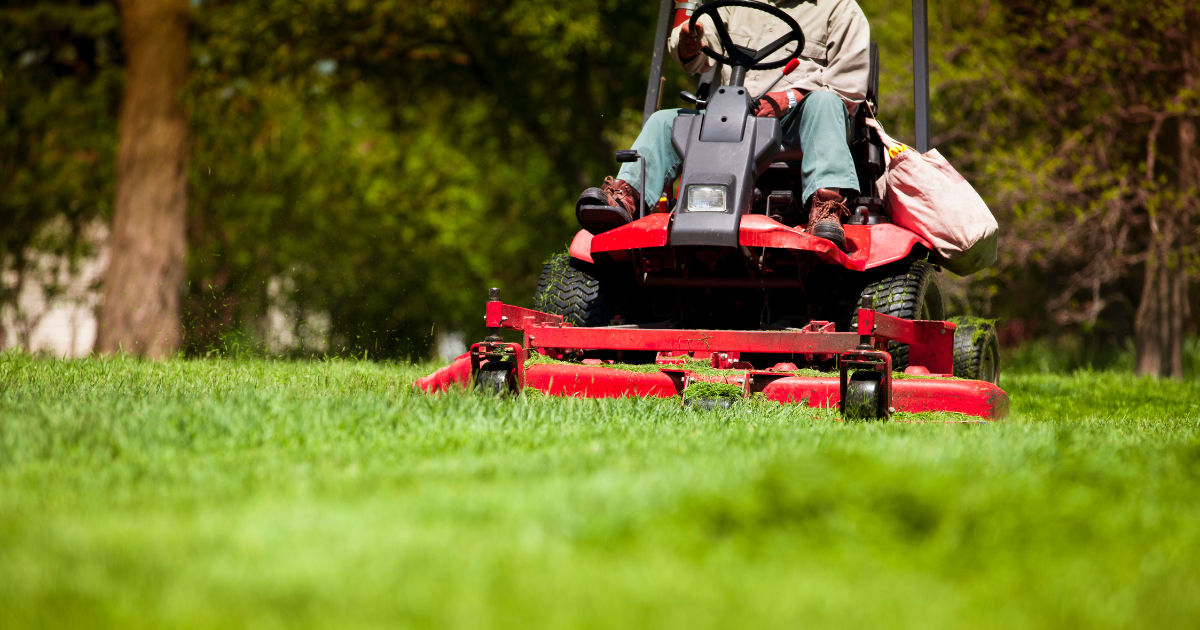
The secret to a healthy lawn goes beyond watering and mowing—it lies in effective lawn care and maintenance. Proper maintenance practices play a crucial role in preventing lawn diseases that can damage your grass, making your yard look unhealthy and unattractive.
In this comprehensive guide, we will explore the various ways that proactive lawn care can protect your lawn, the common lawn diseases, and the step-by-step practices that keep your yard thriving year-round.
Understanding Lawn Diseases
Before diving into prevention, it is important to understand what lawn diseases are. Lawn diseases are caused by fungi, bacteria, viruses, or even environmental stress. These diseases can weaken grass, causing discoloration, thinning, and sometimes complete lawn death if left untreated. Some common lawn diseases include:
-
Brown Patch: Usually caused by fungal infections in hot and humid conditions.
-
Dollar Spot: Small, silver-dollar-sized patches caused by low nitrogen levels.
-
Powdery Mildew: White, powdery growth on grass blades, often due to poor sunlight and excessive moisture.
-
Rust Disease: Orange or reddish-brown powdery spores appearing on the grass surface.
Lawn diseases not only affect the aesthetic value of your yard but also reduce the overall health of the grass, making it more susceptible to further problems.
The Role of Lawn Care and Maintenance in Disease Prevention
Proper lawn care and maintenance is the first line of defense against diseases. Regular maintenance strengthens grass, improves soil health, and creates an environment that discourages pathogens. Disease prevention through lawn care is more effective and economical than trying to treat an infection after it has already spread. Healthy grass can naturally resist fungal attacks, reduce patchiness, and maintain its color and texture.
Soil Health: The Foundation of a Healthy Lawn
Healthy soil is critical for disease prevention. A well-balanced soil ensures that grass roots get the nutrients they need to grow strong and resist infection. Key practices include:
-
Soil Testing: Regular testing can identify nutrient deficiencies or pH imbalances.
-
Fertilization: Using the right fertilizers at proper intervals provides essential nutrients such as nitrogen, phosphorus, and potassium. Over-fertilization can encourage certain fungal diseases, so balance is key.
-
Aeration: Compacted soil restricts root growth and traps moisture, creating ideal conditions for fungi. Core aeration loosens soil, allowing oxygen and nutrients to penetrate deeper.
Proper Watering Practices
Watering is essential, but excessive or improper watering is a common cause of lawn diseases. Many fungal pathogens thrive in damp environments. To prevent disease:
-
Water Early in the Day: Morning watering allows the grass to dry before nightfall.
-
Avoid Overwatering: Overwatering creates standing water, which fosters fungal growth.
-
Use Efficient Irrigation: Sprinklers should evenly cover the lawn without causing runoff or puddles.
Mowing: The Unsung Hero
Mowing is not just about appearance—it is a crucial component of lawn care and maintenance. Mowing promotes healthy growth and prevents disease:
-
Maintain Proper Height: Cutting grass too short stresses it and exposes soil to pathogens. The ideal height varies by grass type but generally ranges between 2.5 to 4 inches.
-
Sharp Blades: Dull blades tear grass, leaving wounds that are susceptible to infection.
-
Regular Mowing: Frequent mowing keeps the lawn dense, reducing open spaces where diseases can establish.
Thatch Control
Thatch is a layer of dead grass and roots that accumulates on the soil surface. A thin layer can protect the soil, but excessive thatch encourages disease:
-
Dethatching: Removing thick thatch prevents fungal buildup.
-
Regular Monitoring: Keep thatch under half an inch for optimal lawn health.
Choosing Disease-Resistant Grass Varieties
Selecting the right grass type is an essential preventive step. Some grass species are naturally resistant to common diseases:
-
Tall Fescue: Resistant to brown patch and dollar spot.
-
Kentucky Bluegrass: Can resist certain fungal infections when properly maintained.
-
Perennial Ryegrass: Fast-growing and less prone to rust when well-fertilized.
Matching grass types to your local climate and soil conditions enhances the effectiveness of your lawn care and maintenance routine.
Seasonal Lawn Care for Disease Prevention
Lawn care should adapt with the seasons. Seasonal adjustments can prevent disease outbreaks and ensure year-round health.
Spring
Spring is a critical time for recovery after winter. Preventative steps include:
-
Aeration and Fertilization: Promotes strong root growth.
-
Seeding: Fill bare patches to prevent weed invasion and disease spread.
-
Weed Control: Removing weeds reduces competition for nutrients and sunlight.
Summer
Hot and humid conditions often encourage fungal growth:
-
Adjust Watering: Water deeply but less frequently to encourage deep roots.
-
Mow Regularly: Maintain optimal height to reduce stress.
-
Spot Treatment: Address early signs of fungal infections immediately.
Fall
Fall is a time to prepare your lawn for winter:
-
Fertilization: Apply a slow-release fertilizer to strengthen roots.
-
Leaf Removal: Prevent leaves from creating a damp environment conducive to fungi.
-
Overseeding: Thickening your lawn reduces bare patches where disease can take hold.
Winter
While grass growth slows, maintenance still matters:
-
Minimize Traffic: Frozen or wet grass can be damaged easily.
-
Monitor for Disease: Some fungal pathogens can persist under snow, so early spring monitoring is important.
Common Mistakes That Lead to Lawn Diseases
Even with the best intentions, certain mistakes can inadvertently promote lawn disease. Avoid these pitfalls:
-
Overwatering: Creates ideal fungal conditions.
-
Neglecting Mowing: Overgrown grass is prone to fungal attack.
-
Improper Fertilization: Too much nitrogen encourages rapid, weak growth susceptible to disease.
-
Ignoring Soil Health: Poor soil leads to shallow roots and stressed grass.
By understanding and avoiding these mistakes, your lawn care and maintenance efforts become far more effective.
Integrated Disease Management
Effective disease prevention often requires a combination of cultural, mechanical, and chemical strategies:
-
Cultural Practices: Proper mowing, watering, fertilization, and aeration.
-
Mechanical Practices: Dethatching, aeration, and overseeding.
-
Chemical Treatments: Fungicides should be a last resort, used according to recommendations to prevent resistance.
Combining these methods creates a holistic system that keeps your lawn healthy while minimizing environmental impact.
Monitoring and Early Detection
Preventing disease also means detecting problems early. Regular lawn inspection can identify small patches, discoloration, or unusual growth patterns before they spread. Tools such as magnifying glasses or soil probes can help detect fungal growth and soil issues. Early detection saves time, money, and effort in the long run.
Benefits of Proper Lawn Care and Maintenance
Consistent lawn care and maintenance offers multiple advantages:
-
Aesthetic Appeal: A green, even lawn enhances your property’s appearance.
-
Environmental Benefits: Healthy grass reduces soil erosion and improves air quality.
-
Pest and Disease Resistance: Strong, healthy lawns naturally resist insects and pathogens.
-
Long-Term Cost Savings: Preventive care is more economical than disease treatment and lawn replacement.
Conclusion
Proper lawn care and maintenance is more than just an aesthetic practice—it is a crucial step in preventing lawn diseases. By understanding common lawn diseases, implementing correct watering and mowing routines, maintaining soil health, controlling thatch, and selecting disease-resistant grass varieties, homeowners can enjoy lush, green, and disease-free lawns year-round. Seasonal adjustments, careful monitoring, and integrated management strategies further strengthen your lawn’s resilience against pathogens.
A well-maintained lawn not only enhances the beauty of your home but also creates a safe, healthy environment for your family and community. Preventing lawn diseases through proper maintenance ensures long-term lawn health, reduces costly interventions, and maximizes the enjoyment of your outdoor space. Prioritizing preventive care today guarantees that your lawn will thrive for years to come.
By dedicating time and attention to lawn care and maintenance, you can avoid common pitfalls, detect issues early, and maintain a vibrant and robust lawn that is the envy of the neighborhood. Remember, a healthy lawn begins with consistent, proactive care—and prevention is always better than cure.