
Why Streetwear Is Expression Not Just Clothing?Why Streetwear Is Expression Not Just Clothing?
Streetwear is no longer just about wearing comfortable or stylish clothes. It has evolved into a cultural statement, a way for individuals to express their identity, emotions, and beliefs.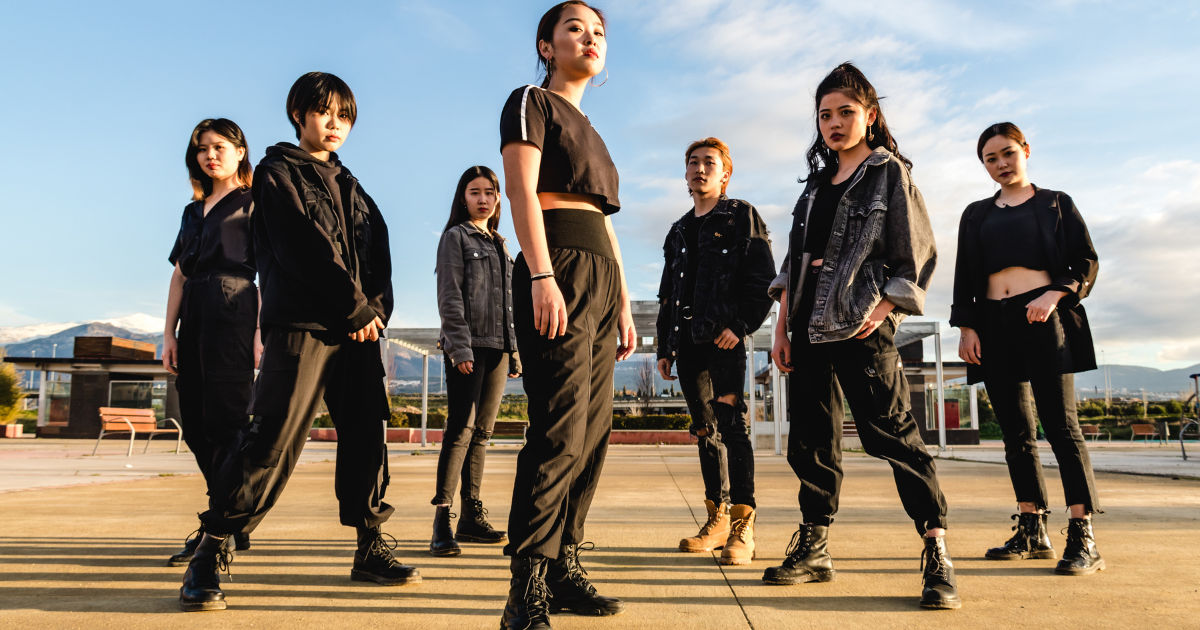
At the heart of this transformation is what many call Mixed Emotion Streetwear Expression — the idea that clothing communicates more than fashion; it conveys mood, personality, and social commentary.
Today, streetwear is a canvas for creativity, a reflection of life’s highs and lows, and a tool for shaping perception.
For those exploring contemporary fashion, understanding streetwear as an expressive medium is essential.
It transcends mere aesthetics and allows wearers to communicate without words. This blog will explore why streetwear is an expression, not just clothing, and examine its cultural, emotional, and societal impact.
The Origins of Streetwear
Streetwear emerged in the late 1970s and early 1980s, primarily in urban areas of the United States. Initially influenced by skateboarding, punk, and hip-hop cultures, it was defined by comfort, individuality, and rebellion against mainstream fashion norms. Brands like Stüssy, Supreme, and Obey became synonymous with street culture, emphasizing limited edition drops and a DIY aesthetic that encouraged self-expression.
Streetwear was never about conforming. It was about standing out while connecting with subcultures. This is where the concept of Mixed Emotion Streetwear Expression first started taking shape. Clothing began reflecting the diverse emotions and stories of those who wore it — from confidence and pride to resistance and social commentary.
Streetwear as a Form of Identity
Fashion has always been a reflection of self-identity, but streetwear amplifies this effect. Wearing a hoodie, sneakers, or a graphic tee is no longer just about comfort; it is about projecting who you are and what you believe in.
Streetwear allows people to visually narrate their story. For example, graphic tees with bold prints can represent personal struggles, political statements, or pop culture references. Each piece of clothing is carefully chosen to convey a message. Through Mixed Emotion Streetwear Expression, individuals can express contradictory feelings simultaneously — strength and vulnerability, rebellion and conformity, joy and frustration — all through a single outfit.
Emotional Connection to Streetwear
Streetwear is deeply emotional. The clothes we wear often mirror our inner state or desired identity. A person might choose distressed jeans and oversized hoodies to convey a sense of nonchalance or rebellion. Another might wear brightly colored sneakers or limited-edition collaborations to signal joy, ambition, or belonging to a particular community.
Mixed Emotion Streetwear Expression thrives on this duality. It allows wearers to communicate complex feelings without uttering a single word. Someone might feel both nostalgic and optimistic, or anxious yet confident — and streetwear can translate these emotions visually. This is why streetwear resonates with youth culture; it provides a tangible outlet for navigating and displaying emotions.
Streetwear and Cultural Commentary
Beyond personal expression, streetwear often reflects social and cultural realities. Many designers use streetwear to comment on issues such as inequality, race, mental health, and environmental concerns. Graphic prints, slogans, and limited editions carry messages that challenge the status quo or celebrate community identity.
For instance, collaboration collections often reflect multicultural influences, showing how streetwear can bridge diverse backgrounds. The essence of Mixed Emotion Streetwear Expression is that it blends personal feeling with cultural consciousness. Wearing streetwear becomes an act of storytelling, allowing individuals to share both personal and collective narratives.
The Role of Brands in Streetwear Expression
Brands play a crucial role in transforming streetwear into a medium of expression. They design collections that evoke emotion, resonate with subcultures, and celebrate individuality.
Brands like Stüssy, Off-White, and BAPE often emphasize exclusivity and originality. Limited releases create anticipation, excitement, and a sense of belonging among enthusiasts. This exclusivity enhances the emotional connection people have with their clothing, turning streetwear into a form of art rather than mere apparel.
Through Mixed Emotion Streetwear Expression, brands encourage wearers to convey emotion through style choices, demonstrating that fashion is a language of its own.
The Influence of Music and Media
Streetwear and music have always been intertwined. Hip-hop, punk, and electronic music scenes significantly influenced urban fashion. Artists use streetwear to visually communicate their personal brand and artistic vision.
For example, rappers and DJs often wear hoodies, sneakers, and graphic tees to signal affiliation, mood, and attitude. This intersection of fashion and music amplifies Mixed Emotion Streetwear Expression, turning everyday clothing into statements about identity, creativity, and emotional depth. Music videos, social media posts, and performances allow fans to connect with these emotions and mirror them in their streetwear choices.
Streetwear in the Digital Age
The rise of social media and online communities has transformed streetwear from local subculture to global phenomenon. Platforms like Instagram, TikTok, and Pinterest showcase how clothing is used as an emotional and cultural expression. People post outfits that reflect their current mood, aspirations, or beliefs.
Digital storytelling intensifies Mixed Emotion Streetwear Expression by creating visual narratives that reach millions. A single image of a layered outfit can evoke excitement, nostalgia, or empowerment. Streetwear becomes a tool to curate identity, share emotion, and engage with a wider audience in real-time.
The Psychology Behind Streetwear
Psychologically, clothing affects self-perception and confidence. Studies have shown that wearing certain styles can influence mood, behavior, and even cognitive performance. Streetwear, with its emphasis on bold graphics, oversized silhouettes, and limited editions, provides a psychological boost.
When people wear streetwear that resonates with their emotions or personal story, it enhances self-esteem and allows for authentic self-expression. This is the essence of Mixed Emotion Streetwear Expression — clothing is not superficial; it interacts with the mind, feelings, and social perception.
Streetwear and Community
Streetwear also fosters a sense of community. Sneaker drops, brand collaborations, and pop-up shops bring like-minded individuals together. These events are more than shopping experiences; they are cultural gatherings where emotions, style, and ideas are shared.
Through communal engagement, streetwear transforms personal expression into collective identity. People feel connected to others who share similar tastes, values, or emotional experiences. In this context, Mixed Emotion Streetwear Expression becomes both a personal and social tool — expressing individuality while building bonds with a community.
The Role of Sustainability in Modern Streetwear
Sustainability is increasingly influencing streetwear culture. Many brands now focus on ethical production, recycled materials, and conscious design. This shift adds an emotional and moral layer to streetwear, allowing individuals to express concern for the environment through their fashion choices.
Choosing eco-friendly streetwear aligns with Mixed Emotion Streetwear Expression because it communicates personal values and ethical considerations. It shows that fashion can reflect not only mood and identity but also social responsibility and global awareness.
Streetwear as a Form of Art
Streetwear has transcended its practical purpose and entered the realm of art. Designers treat garments like canvases, using textures, colors, patterns, and graphics to evoke emotion. Limited edition pieces often become collectible art forms.
Mixed Emotion Streetwear Expression is fully realized here. Art in streetwear is interactive; the wearer completes the creative expression by incorporating clothing into their life. Each outfit is an evolving statement, reflecting emotion, culture, and imagination.
Breaking Gender Norms Through Streetwear
Streetwear has also challenged traditional gender norms. Many brands promote unisex designs, oversized silhouettes, and gender-neutral aesthetics. This allows people to explore identity beyond societal expectations.
Through Mixed Emotion Streetwear Expression, clothing becomes a tool for self-discovery. Individuals can experiment with style without being confined to rigid gender definitions, expressing feelings and identity freely through fashion.
The Future of Streetwear Expression
As streetwear continues to evolve, its role as a medium of expression will only deepen. Emerging trends include tech-integrated clothing, virtual fashion, and even AI-driven designs. These innovations will expand the ways people use streetwear to communicate emotion and identity.
The principle of Mixed Emotion Streetwear Expression will remain central. Regardless of the tools or trends, streetwear will continue to serve as a bridge between internal emotion and external presentation, merging individuality, community, and cultural commentary.
Conclusion
Streetwear is far more than clothing. It is a dynamic, expressive medium that communicates personal identity, emotion, and cultural narratives. Through Mixed Emotion Streetwear Expression, individuals convey complex feelings and ideas, making fashion a language of its own. From its origins in urban subcultures to its role in global communities, streetwear has proven that clothing can carry meaning beyond aesthetics.
By embracing streetwear as expression, we recognize that every hoodie, sneaker, or graphic tee tells a story. It is an art form, a cultural statement, and a reflection of the human experience. Whether you are exploring your identity, expressing emotion, or participating in a community, streetwear offers a unique and powerful outlet.
Streetwear is not just something you wear; it is something you live, feel, and communicate. In every stitch and print lies the potential for storytelling, creativity, and emotional resonance. It is, above all, proof that clothing is not merely fabric — it is expression.