
Fog Machinery: Shaping the Future of Technology and Industry
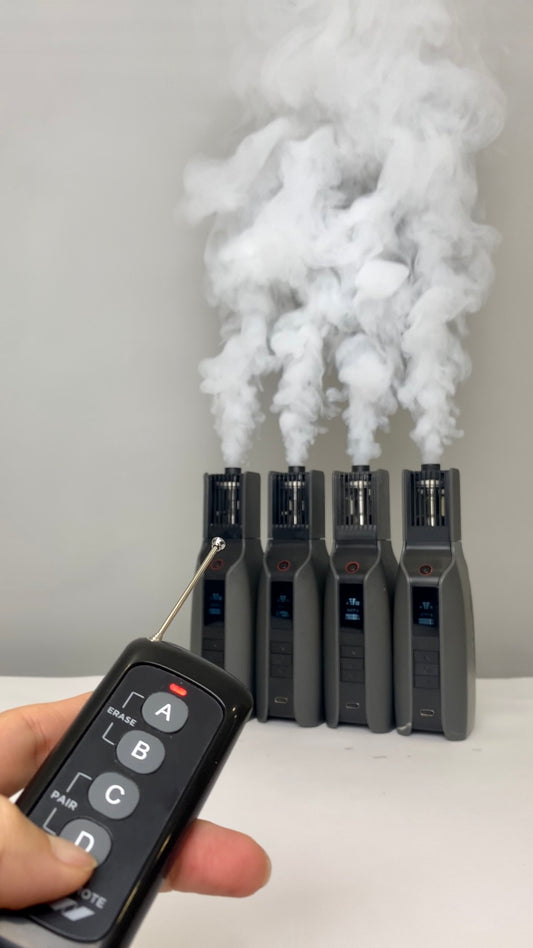
Fog machinery has become one of the most innovative technologies in the modern world, serving purposes that extend far beyond stage effects. It has earned its place in industries such as agriculture, manufacturing, healthcare, and environmental management. By generating controlled fog or mist, these machines provide practical solutions to problems like air quality, temperature regulation, and sanitation.
How Fog Machinery Works
The science behind fog machinery lies in its ability to convert liquids into tiny airborne droplets. Some systems use heat to vaporize fluid, producing dense fog, while others use ultrasonic vibrations or high-pressure nozzles to create a fine mist. Each technology produces a specific type of fog suited to different industries. This adaptability makes fog machinery one of the most versatile tools available today.
Expanding Applications
Entertainment was the first sector to adopt fog machines, using them in theaters, film sets, and concerts to create dramatic visual effects. Today, their applications go far beyond that. In agriculture, fog machines help farmers maintain optimal humidity levels for crops while conserving water. In hospitals and public spaces, fogging technology has become an essential method for sanitation and disinfection. Industrial sites rely on fog systems to suppress dust and improve air quality for workers, while resorts and stadiums use cooling fog systems to create comfortable environments.
Benefits of Fog Machinery
One of the biggest advantages of fog machinery is its ability to provide solutions that are both effective and sustainable. By delivering ultra-fine mist, these machines reduce water consumption in farming and cooling operations. They also lower energy costs compared to traditional air-conditioning systems. In addition, fog machinery improves safety by minimizing dust and airborne pollutants in factories and construction zones. For the entertainment industry, it adds value by creating immersive atmospheres that enhance audience experiences.
Maintenance and Care
Like any advanced technology, fog machinery requires proper care to ensure long-term performance. Regular cleaning of the machine, especially its nozzles, prevents blockages and ensures consistent fog output. Using high-quality fluids recommended by manufacturers is also crucial for avoiding damage. Safe storage and periodic inspections help prevent mechanical issues and extend the lifespan of the equipment.
The Future of Fog Machinery
The future of fog technology is promising, with continuous advancements focused on sustainability and automation. Eco-friendly fog fluids are being developed to reduce environmental impact, and many modern systems now feature smart controls that integrate with digital platforms. As industries move toward greener practices, smokeninja machinery will continue to evolve, playing an even greater role in agriculture, healthcare, and industrial applications.
Conclusion
Fog machinery has successfully transitioned from being a stage accessory to a critical component in multiple industries. Its ability to adapt to diverse applications demonstrates its importance in shaping modern solutions. With technology advancing at a rapid pace, fog machinery is set to become even more efficient, eco-friendly, and essential to the future of global industries.