Author: Millermarker

Caring Services: Providing Quality Support for the ElderlyCaring Services: Providing Quality Support for the Elderly

Caring for the elderly is a vital service, especially as families face the challenges of providing proper care for aging loved ones. At ElderlyDB.hk, we offer a comprehensive platform to guide families in finding the right care services for their elderly relatives. Our services help families navigate the complexities of eldercare by offering a curated list of elderly homes and care facilities in Hong Kong.

Our mission is to ensure that each elderly person receives the attention they deserve, whether it’s through residential 護老院收費 in elderly homes or personalized home care services. We offer guidance on selecting suitable facilities based on the level of care required, from self-sufficient elders to those needing special medical assistance.

With tools like cost calculators, subsidy applications, and detailed profiles of elderly homes, ElderlyDB.hk is dedicated to making the search for care services easier, ensuring that elderly individuals can lead a dignified and comfortable life.

The Importance of Mental Health and CounselingThe Importance of Mental Health and Counseling

Mental health is as crucial as physical health, yet it often goes overlooked. Psychological counseling provides the necessary support to help individuals cope with stress, anxiety, depression, and other mental health challenges. Seeking professional help can significantly improve one's emotional well-being and overall quality of life.

Understanding Mental Health

Mental health refers to emotional, psychological, and social well-being. It affects how individuals think, feel, and behave in daily life. Good mental health enables people to handle stress, relate to others, and make sound decisions.

Common Mental Health Challenges:

  1. Anxiety Disorders – Excessive worry or fear that disrupts daily activities.

  2. Depression – Persistent sadness, loss of interest, and low energy levels.

  3. Bipolar Disorder – Extreme mood swings that impact behavior and energy levels.

  4. Post-Traumatic Stress Disorder (PTSD) – Emotional distress triggered by traumatic experiences.

  5. Obsessive-Compulsive Disorder (OCD) – Uncontrollable, repetitive thoughts and behaviors.

The Role of Psychological Counseling

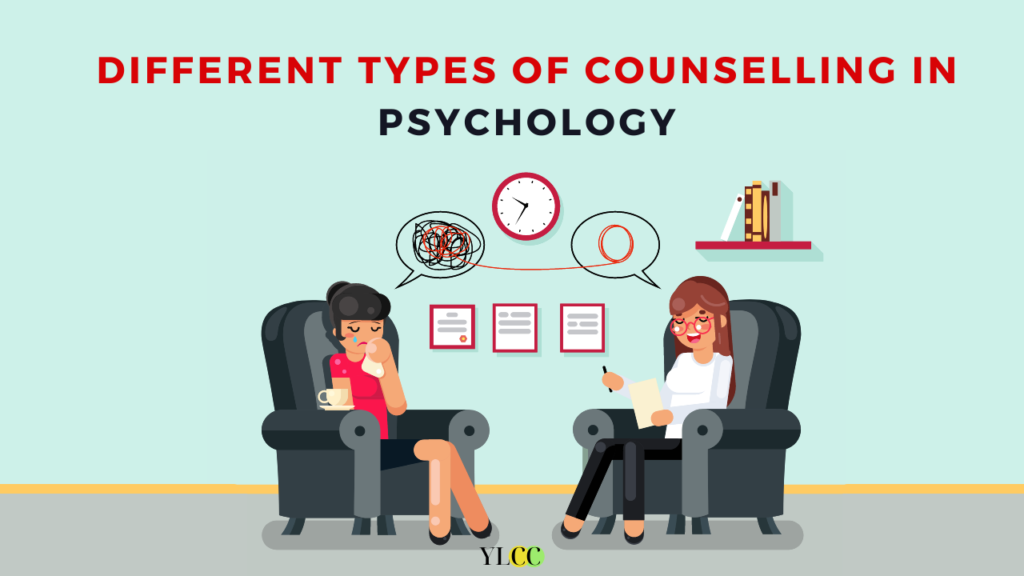
Psychological counseling is an effective way to manage and overcome mental health challenges. Professional therapists use various techniques to help individuals develop coping strategies, change negative thought patterns, and build resilience.

Benefits of Counseling:

  1. Provides Emotional Support – Talking to a professional helps individuals feel heard and understood.

  2. Improves Coping Skills – Counselors teach techniques to manage stress and emotions effectively.

  3. Encourages Positive Thinking – Therapy helps individuals reframe negative thoughts and build a healthier mindset.

  4. Enhances Relationships – Couples and family therapy improve communication and resolve conflicts.

  5. Boosts Self-Esteem – Therapy helps individuals recognize their strengths and build self-confidence.

When to Seek Counseling

If you experience persistent emotional distress, difficulty managing daily tasks, or strained relationships, seeking professional 心理醫生推薦 can be beneficial. Some signs that indicate the need for counseling include:

  • Feeling overwhelmed by emotions

  • Inability to focus or make decisions

  • Sudden changes in appetite or sleep patterns

  • Loss of interest in activities once enjoyed

  • Frequent conflicts with loved ones

How to Find the Right Counselor

Finding the right counselor is essential for effective therapy. Consider the following factors:

  • Qualifications & Experience – Ensure the therapist has proper credentials and expertise in relevant areas.

  • Therapy Approach – Different therapists use varying techniques such as cognitive-behavioral therapy (CBT), psychodynamic therapy, or humanistic therapy.

  • Comfort Level – Choose a therapist with whom you feel comfortable discussing personal matters.

  • Accessibility – Consider location, session availability, and online counseling options.

Conclusion

Prioritizing mental health through psychological counseling can lead to a more fulfilling and balanced life. Seeking help is a sign of strength, and professional guidance can provide the necessary tools for overcoming mental health challenges. If you're looking for expert counseling, visit Dr. Amos Cheung’s website for professional support and assistance.

The Impact of Charity: Building Stronger Communities and Inspiring ChangeThe Impact of Charity: Building Stronger Communities and Inspiring Change

Charity is an age-old concept that transcends borders, cultures, and time. It is rooted in human compassion and the innate desire to help others who are less fortunate or in need. While the act of giving is as old as civilization itself, charity in the modern world has grown to become not just a moral obligation, but a driving force for change. In this article, we explore the significance of charity, how it impacts both individuals and communities, and the profound difference it can make in creating a more just and compassionate society.

Understanding Charity: More Than Just Giving

Charity, in its simplest form, refers to the voluntary act of giving to others, especially those in need, without expecting anything in return. It can take many forms—donating money, offering time through volunteer work, providing goods, or even giving emotional and social support. While charity often focuses on addressing immediate needs like hunger, shelter, or healthcare, its broader impact goes beyond short-term relief.

Today, charity is increasingly being recognized as a tool for long-term change. Modern charities work not only to alleviate suffering but also to combat the root causes of social issues. Whether it’s fighting systemic poverty, addressing inequality, or providing educational opportunities, charity is seen as a powerful means of addressing societal problems and making a sustainable impact.

The Power of Collective Giving

One of the most beautiful aspects of charity is the power of collective action. When individuals come together to support a cause, their combined efforts can create change far beyond what any single person can achieve. In recent years, we have seen the rise of crowdfunding platforms that enable people to come together to support causes they care about. Whether it’s funding medical treatments, building schools in underprivileged areas, or supporting disaster relief efforts, these platforms have made it easier than ever for people to unite in the pursuit of social good.

Collective charity can also take the form of local volunteerism. When communities come together to tackle problems such as homelessness, food insecurity, or environmental degradation, the collective strength of many hands working toward a shared goal can have a profound effect. The creation of local 捐款機構 events, such as food drives or clothing donations, helps build a sense of unity, reminding people that they are part of a larger effort to make the world a better place.

Charity’s Role in Strengthening Communities

At its heart, charity strengthens the fabric of communities. A community that is actively engaged in charity tends to be more resilient, compassionate, and supportive of its members. Charitable activities foster a sense of belonging and encourage people to take responsibility for one another’s well-being. They help create environments where people are not just focused on their own needs, but also look out for their neighbors.

Charity also creates opportunities for people to connect with others outside of their social circles. When individuals from different backgrounds come together to work on a shared cause, they can break down barriers of misunderstanding, prejudice, and division. Whether through volunteer work, community events, or charitable organizations, charity fosters relationships that go beyond surface-level interactions, creating a more cohesive and understanding community.

Moreover, charity plays an essential role in providing social safety nets for those who are marginalized or experiencing difficult circumstances. For example, local charities can offer food assistance, job training, and educational programs to help individuals regain their independence and improve their lives. When people in the community are supported in such ways, they are more likely to contribute positively to society, creating a cycle of goodwill and mutual support.

The Transformative Effects of Charity on Donors

While charity is often seen as a means of helping those in need, it also has profound benefits for the donors themselves. Studies consistently show that engaging in charitable acts increases feelings of happiness and well-being. This phenomenon, known as the "helper’s high," occurs because acts of kindness trigger the release of dopamine, the brain’s "feel-good" chemical. This emotional reward makes charitable acts incredibly fulfilling and can lead to a sense of purpose and greater life satisfaction.

Furthermore, charity helps develop empathy by encouraging donors to step into the shoes of others and see the world through their eyes. Engaging with those who are struggling fosters a deeper understanding of human suffering, prompting donors to become more compassionate and open-minded. It also nurtures a sense of shared humanity, reminding us all that we are interconnected and that our actions, no matter how small, can make a difference.

Charity and Social Change: From Charity to Justice

Charity’s role in creating positive change has expanded in recent years, evolving from short-term relief to long-term advocacy for justice. While charities still provide crucial support for immediate needs, there is a growing emphasis on tackling the underlying issues that contribute to inequality and injustice.

For example, organizations focused on education work not just to provide scholarships but to change educational policies that can provide long-term solutions for children in underserved areas. Charities working on issues of racial or gender equality aim to create structural changes in society that will allow for greater opportunities for all, regardless of background. These efforts go beyond charity to challenge the systems that perpetuate inequality.

In the realm of environmentalism, charities are playing a critical role in advocating for policies that address climate change and environmental degradation. By raising awareness, funding research, and pushing for legislative change, environmental charities help move us toward a more sustainable and equitable future for all.

This shift from charity to justice calls on people to not only donate and volunteer but also to become advocates for change. By supporting organizations that focus on long-term solutions and systemic change, donors are helping to build a more just society where everyone has equal opportunities to thrive.

The Challenges of Charity and How to Overcome Them

While charity is a force for good, it is not without its challenges. One of the main concerns is ensuring that donations are used effectively and reach those who need them most. The rise of online donations and crowdfunding has made it easier to give, but it has also raised questions about transparency and accountability. Donors must be cautious and research the organizations they support to ensure their contributions are being used appropriately.

Another challenge is the potential for charity to be seen as a temporary fix rather than a solution to deeper systemic issues. While charity plays an essential role in providing immediate relief, it should be paired with efforts to address the root causes of poverty, inequality, and injustice. Charitable organizations must balance their focus on short-term aid with long-term strategies that promote social change and empower individuals to escape cycles of poverty.

The Future of Charity: Innovation and Global Collaboration

The future of charity looks bright, with many innovative ideas shaping the way we give and receive. Technology continues to play a transformative role in making charity more accessible and impactful. Artificial intelligence and data analytics are helping charities identify the most pressing needs and allocate resources more efficiently. Digital platforms allow individuals to donate effortlessly, while social media helps spread awareness about global causes, raising support on a scale that was unimaginable a few decades ago.

Furthermore, the future of charity will increasingly be defined by global collaboration. No longer confined to local efforts, charitable organizations are working together across borders to tackle issues like poverty, health care, and environmental conservation. With interconnectedness at an all-time high, charity is evolving into a worldwide movement for social change.

Conclusion: Charity’s Enduring Legacy

Charity is more than an act of giving; it is a powerful force that shapes our world for the better. It builds stronger communities, transforms lives, and inspires people to create lasting change. Through charity, we see the best of humanity—the willingness to extend a hand to those in need and to fight for justice and equality for all. Whether through small acts of kindness or large-scale initiatives, charity is an enduring legacy of compassion, and its power to effect change will continue to inspire generations to come.

Exploring the World of Adult Toys: Innovation, Benefits, and TrendsExploring the World of Adult Toys: Innovation, Benefits, and Trends

Adult toys have come a long way from being considered taboo to becoming widely accepted tools for enhancing pleasure and intimacy. Today, they play a significant role in personal wellness, sexual exploration, and even relationship satisfaction. With technological advancements and a growing focus on inclusivity, the adult toy industry is thriving like never before.

In this article, we will delve into the various types of adult toys, their benefits, how to choose the right one, and the future trends shaping the industry.

The Evolution of Adult Toys

1. Early Beginnings and Ancient Civilizations

Historical evidence suggests that adult toys were used in ancient times, with artifacts dating back thousands of years. From primitive phallic objects in ancient Greece to jade eggs in ancient China, pleasure and self-exploration have long been part of human history.

2. The Victorian Era and the Introduction of Vibrators

During the 19th century, vibrators were developed to treat female “hysteria,” although they were ultimately recognized for their pleasure-enhancing capabilities. This period marked the transition from medical use to mainstream acceptance.

3. The Sexual Revolution and Commercial Expansion

The 1960s and 70s saw a radical shift in attitudes toward sexuality, paving the way for commercial adult toy production. Silicone, rubber, and other body-safe materials became standard, ensuring safer and more comfortable experiences.

4. The Digital Age and Smart Technology

Today, adult toys feature cutting-edge technology, such as app-controlled functions, artificial intelligence, and customizable experiences. This has expanded accessibility and enhanced the overall pleasure experience.

Benefits of Using Adult Toys

1. Enhancing Solo and Partnered Pleasure

Adult 延時噴霧推薦 allow individuals to explore their desires and enhance their sexual experiences. For couples, they introduce new dynamics that foster intimacy and excitement.

2. Promoting Sexual Health and Wellness

Many adult toys are designed with health benefits in mind. Kegel exercisers strengthen pelvic floor muscles, while prostate massagers aid in prostate health. Additionally, regular sexual activity has been linked to stress relief and improved mood.

3. Increasing Confidence and Self-Discovery

Using adult toys helps individuals understand their bodies better, leading to increased confidence and improved sexual satisfaction. This knowledge can also contribute to better communication with partners.

4. Supporting Long-Distance Relationships

With the advent of Bluetooth-enabled and app-controlled devices, couples in long-distance relationships can maintain intimacy regardless of geographical barriers. These innovations allow partners to control each other’s devices remotely, adding a layer of excitement and connection.

Types of Adult Toys

1. Vibrators

Available in various shapes and sizes, vibrators are popular for their ability to provide external and internal stimulation. They range from discreet bullet vibrators to powerful wand massagers.

2. Dildos

Dildos offer penetration without vibration, available in realistic designs or artistic forms. They come in various materials, including silicone, glass, and metal.

2. The Victorian Era and the Introduction of Vibrators

0

Designed for male pleasure, these include masturbation sleeves, strokers, and automated stimulators that mimic different sensations.

2. The Victorian Era and the Introduction of Vibrators

1

From butt plugs to prostate massagers, anal toys provide unique stimulation and can contribute to prostate health in men.

2. The Victorian Era and the Introduction of Vibrators

2

Items such as handcuffs, blindfolds, whips, and nipple clamps allow couples to explore power dynamics and sensory play.

2. The Victorian Era and the Introduction of Vibrators

3

These high-tech toys can be controlled via smartphone apps, offering customized pleasure settings and remote access for long-distance play.

How to Choose the Right Adult Toy

2. The Victorian Era and the Introduction of Vibrators

4

Consider whether you are looking for external or internal stimulation, solo play or partner engagement, and which sensations appeal to you most.

2. The Victorian Era and the Introduction of Vibrators

5

Always choose medical-grade silicone, glass, or stainless steel to ensure safety and hygiene. Avoid materials containing phthalates, which can be harmful.

2. The Victorian Era and the Introduction of Vibrators

6

If privacy is a concern, select whisper-quiet devices with discreet designs.

2. The Victorian Era and the Introduction of Vibrators

7

Reputable brands ensure quality and longevity. Reading reviews can help gauge user satisfaction and effectiveness.

2. The Victorian Era and the Introduction of Vibrators

8

For silicone toys, use water-based lubricants, while oil-based lubricants work best with glass or metal toys.

Caring for Adult Toys

2. The Victorian Era and the Introduction of Vibrators

9

Always clean toys after use with warm water and mild soap or a dedicated toy cleaner. This prevents bacteria buildup and extends the lifespan of the product.

3. The Sexual Revolution and Commercial Expansion

0

Store toys in a clean, dry place, preferably in a pouch or designated container, to keep them hygienic and damage-free.

3. The Sexual Revolution and Commercial Expansion

1

For rechargeable toys, ensure they are fully charged before use, and store them properly to prevent battery degradation.

Future Trends in the Adult Toy Industry

3. The Sexual Revolution and Commercial Expansion

2

Artificial intelligence is shaping the future of adult toys, with products designed to learn user preferences and adapt to unique pleasure patterns.

3. The Sexual Revolution and Commercial Expansion

3

The industry is embracing sustainability, with brands offering biodegradable materials, rechargeable batteries, and eco-conscious packaging.

3. The Sexual Revolution and Commercial Expansion

4

More products are being designed for individuals with disabilities and diverse gender identities, ensuring pleasure is accessible to all.

3. The Sexual Revolution and Commercial Expansion

5

VR-compatible toys and devices with haptic feedback are bridging the gap between digital and physical pleasure, enhancing immersive experiences.

Conclusion

Adult toys have evolved from historical artifacts to high-tech, sophisticated devices that cater to a wide range of needs. Whether used for solo exploration or enhancing partner intimacy, they offer numerous benefits, from sexual wellness to stress relief.

As technology and societal acceptance continue to grow, the future of adult toys looks more innovative and inclusive than ever. Embracing these advancements allows individuals to explore their desires in new and exciting ways, promoting a healthier and more fulfilling sex life.

Group Shipping: A Smart Solution for Cost-Effective LogisticsGroup Shipping: A Smart Solution for Cost-Effective Logistics

Group shipping is a logistics strategy where multiple shipments from different senders are combined into a single transport. This method optimizes shipping costs, improves delivery efficiency, and contributes to sustainability efforts. As businesses look for smarter and more economical shipping solutions, group shipping has become a valuable tool in modern logistics.

Key Benefits of Group Shipping

  1. Reduced Shipping Costs
    Sharing transportation expenses allows businesses to save significantly on shipping costs compared to individual shipments.

  2. Enhanced Delivery Efficiency
    Consolidated shipments follow optimized routes, reducing transit times and improving delivery schedules.

  3. Eco-Friendly Shipping Solution
    Fewer shipments lead to lower fuel consumption and carbon emissions, making group shipping a greener option.

  4. Better Cargo Space Utilization
    Maximizing space within containers or trucks reduces wasted capacity and ensures efficient transportation.

Challenges of Group Shipping

  1. Complex Coordination
    Managing multiple shipments in one transport requires effective planning and collaboration among different shippers.

  2. Less Flexibility
    Since shipments are grouped, they follow fixed schedules, making it less suitable for urgent deliveries.

  3. Risk of Delays
    A delay in one shipment within the group can potentially affect the entire consolidated load’s delivery time.

Best Practices for Effective Group Shipping

  1. Choose a Reliable Logistics Provider
    Partnering with an experienced 香港集運公司 company ensures smooth operations and timely deliveries.

  2. Utilize Real-Time Tracking Technology
    Digital tracking systems provide visibility into shipments and improve communication between shippers.

  3. Plan Shipments in Advance
    Scheduling shipments ahead of time allows for better consolidation and cost optimization.

  4. Ensure Proper Packaging and Labeling
    Well-labeled and securely packaged shipments reduce the risk of damage or misplacement during transit.

Conclusion

Group shipping is a cost-effective and efficient shipping solution that benefits businesses by lowering expenses, optimizing logistics, and supporting sustainability. While it presents some challenges, strategic planning, technology, and trusted logistics partnerships can ensure successful implementation. As global trade and e-commerce continue to grow, group shipping remains an essential component of modern supply chain management.