
Author: Millermarker

Jersey Design: Merging Art, Technology, and IdentityJersey Design: Merging Art, Technology, and Identity

Jersey design is a field that uniquely combines aesthetics, functionality, and cultural significance. A jersey is more than just a piece of clothing; it represents identity, tells a story, and has the power to ignite passion in both athletes and fans. Whether it’s a high-performance piece of sportswear or a casual item worn by fans, jersey design plays an integral role in both sports and fashion industries. Over the years, it has evolved into a sophisticated fusion of art, technology, and branding.

The Role of Jerseys in Modern Culture

Jerseys have transcended their original purpose as simple athletic gear. Today, they are a key component of modern culture, used not just in sports but also as fashion statements and symbols of belonging. For athletes, a jersey is a vital tool for performance, but for fans, it is a powerful statement of loyalty, pride, and personal identity. Whether worn in a stadium, at a party, or on the streets, a jersey has become a piece of wearable art that connects people to the sports or teams they love.

  1. Team Representation The most obvious purpose of a jersey is to represent a team. From professional soccer leagues to high school sports teams, jerseys are used to unify players and distinguish teams from one another. A well-designed jersey instantly conveys a sense of community and solidarity, creating an unspoken bond between players and their supporters.

  2. Fan Culture Jerseys are also central to fan culture. The act of wearing a team’s jersey is a form of showing allegiance and support. It's a way for fans to feel connected to the game, players, and the team’s journey. Jerseys often go beyond just team colors and logos—over time, they become deeply intertwined with personal memories, significant moments, and celebrations of wins and losses.

The Evolution of Jersey Design

In the past, jerseys were often plain, utilitarian items with minimal attention to design. Over time, however, they have evolved into intricate and stylish pieces of clothing. From the fabric choices to the graphics and patterns, modern jerseys are designed with both form and function in mind.

  1. Early Beginnings: Simple and Practical Early jerseys were made from basic fabrics like wool or cotton, offering little more than basic coverage and comfort. The designs were rudimentary, often featuring solid colors and simple numbers. Teams began to use color to identify themselves, though, and as sports grew more popular, so did the importance of a jersey’s appearance.

  2. Technological Advancements: Innovation in Fabric As sports evolved, so did the technology behind the fabrics used in jerseys. The introduction of synthetic materials like polyester revolutionized jersey design. These fabrics were lightweight, durable, and moisture-wicking, improving comfort during athletic activities. This allowed athletes to perform at higher levels while staying cooler and drier.

  3. Bold Designs and Fashion Influence In recent decades, jersey design has become more closely tied to fashion. Designers began to experiment with bold graphics, unique color combinations, and personalized touches. Teams embraced more creative and intricate patterns, often drawing inspiration from street fashion and pop culture. Jerseys are now seen as much more than athletic gear—they are stylish garments that transcend the field of play.

  4. Fan-Centered Design Over time, fan-driven design has emerged as a driving force in jersey design. Jerseys are not only made for players but are also designed to be worn by fans. These designs consider factors like comfort, versatility, and personal connection to the team. Fans can wear their jerseys proudly, whether in a stadium, at home, or in a casual setting. Customization has also become a key part of this evolution, with fans being able to add their names, favorite players’ names, and other unique touches to their jerseys.

Key Elements of Jersey Design

Jersey design is a carefully balanced process that integrates various components to create a cohesive, functional, and aesthetically pleasing garment. Several elements must work together to make a jersey effective, comfortable, and visually appealing.

  1. Fabric and Comfort At the core of any jersey’s design is the material it is made from. Athletes need jerseys that are comfortable, flexible, and durable. Modern materials such as polyester, spandex, and Lycra have revolutionized jersey design by offering lightweight, moisture-wicking properties that keep athletes cool and dry. These fabrics also offer greater mobility, allowing for optimal movement during high-intensity activities.

  2. Color and Identity The colors of a jersey are often the most recognizable aspect. They convey a team’s identity and heritage, with each color carrying emotional and symbolic meaning. For example, the bright red of Liverpool FC symbolizes passion and energy, while the gold and black of the Los Angeles Lakers evoke a sense of luxury and prestige. Color choices are deliberate and reflect not only the team’s culture but also the psychological impact they want to create.

  3. Logos and Branding Logos are central to jersey design, representing both the team’s identity and often the sponsors that fund the sport. The placement of logos, both for teams and sponsors, must be thoughtfully considered to maintain the visual balance of the design. Sponsors’ logos are often placed on the shoulders, chest, or sleeves, but they must not overshadow the team’s identity. In some cases, the jersey can be seen as a canvas for sponsorship, and designers need to integrate these logos in a way that complements the overall look.

  4. Typography: Numbers and Names The numbers and names on jerseys are vital for identification, and their design requires careful thought. Legibility is key; they need to be easily read from a distance, even in the midst of a fast-paced game. The font style must align with the team's identity, often drawing from the team’s logo or overall aesthetic. The placement of the name on the back and the number on the front and back is also an important design element, ensuring balance and symmetry.

  5. Fit and Form The cut and fit of a jersey are essential in creating a garment that performs well in the athletic world and looks good in the stands. Performance jerseys are designed for a tight, aerodynamic fit, while fan jerseys might lean toward a more relaxed, comfortable cut. The fit impacts both comfort and performance, which is why modern jerseys feature designs that follow the body’s natural lines, providing unrestricted movement and minimizing friction during play.

Future Trends in Jersey Design

As technology continues to shape the world of sportswear, jersey design is poised to evolve even further. Here are a few exciting trends that could redefine the future of jersey design:

  1. Smart Fabrics The integration of smart textiles into jerseys will likely become more common. These fabrics can monitor the wearer’s vitals, such as heart rate, body temperature, and muscle activity. This technology can provide valuable performance data and enhance training and recovery for athletes. Additionally, smart fabrics might even be able to adjust to temperature changes, helping the athlete stay comfortable no matter the conditions.

  2. Sustainability With growing concerns over environmental impact, sustainability in jersey design is gaining momentum. Many sportswear brands are already experimenting with recycled fabrics and eco-friendly dyes to reduce their carbon footprint. As demand for sustainable products rises, we can expect to see more jerseys made from organic or upcycled materials.

  3. Personalization The demand for personalized jerseys is on the rise. Fans can customize jerseys with their favorite player’s name or even create a completely unique design. This trend allows individuals to feel more connected to their teams, and brands are increasingly offering more options for customization, both in terms of aesthetics and function.

Conclusion

Jersey design is a complex and dynamic field that blends athletic performance, artistic expression, and cultural identity. Over the years, jerseys have evolved from basic utilitarian garments to highly specialized items that combine form, function, and fashion. As technology, sustainability, and fan engagement continue to shape the future of 足球衫 , we can expect even more innovations that enhance both performance and style. Whether on the field or in everyday life, jerseys continue to be a symbol of identity, passion, and unity for fans and athletes alike.

Private Detective: Expert Investigative Services for Your NeedsPrivate Detective: Expert Investigative Services for Your Needs

A private detective, also known as a private investigator (PI), plays a crucial role in gathering evidence, conducting surveillance, and uncovering critical information for various cases. Whether assisting individuals, corporations, or legal professionals, private detectives offer professional and discreet investigative services to address diverse challenges.

Why Hire a Private Detective?

1. Surveillance and Monitoring

One of the primary responsibilities of a private detective is conducting surveillance to track an individual’s activities. Whether it is a suspected infidelity case, corporate espionage, or employee misconduct, private investigators use advanced techniques such as GPS tracking, hidden cameras, and online monitoring to collect crucial evidence.

2. Background Checks and Due Diligence

A professional private detective provides comprehensive background checks for individuals and businesses. This is particularly useful for pre-employment screening, business partnerships, or matrimonial investigations. With access to specialized databases, PIs can verify identities, criminal records, financial history, and other relevant details.

3. Fraud Investigation

Private detectives assist businesses and individuals in detecting fraud, whether it involves insurance fraud, identity theft, or financial scams. Through meticulous document analysis, interviews, and forensic techniques, they help uncover fraudulent activities and present concrete evidence.

4. Missing Persons Investigations

Locating missing persons is another critical function of private detectives. Whether searching for a lost relative, a runaway teenager, or a debtor who has vanished, investigators employ advanced tracking methods, informant networks, and database searches to find individuals quickly and efficiently.

5. Corporate Investigations

Businesses often rely on private detectives to investigate internal and external threats such as employee theft, corporate espionage, intellectual property theft, and compliance violations. Detectives gather actionable intelligence that helps businesses safeguard their interests.

6. Legal Support and Evidence Gathering

Lawyers frequently enlist private detectives to assist with litigation support, including witness interviews, forensic analysis, and evidence collection. Their expertise strengthens legal cases by providing well-documented findings that hold up in court.

How Private Detectives Conduct Investigations

Utilizing Cutting-Edge Technology

Modern private investigators employ high-tech surveillance equipment, forensic software, GPS tracking devices, and cyber investigation tools to conduct efficient investigations. This enables them to gather precise and irrefutable evidence.

Covert and Overt Investigative Techniques

Private detectives are skilled in both undercover and overt investigations. They may pose as employees, customers, or other roles to infiltrate a target environment and obtain critical insights.

Legal Compliance and Ethical Standards

A reputable private detective operates within the boundaries of the law, ensuring that all investigations adhere to local and international legal frameworks. Ethical conduct is a priority, ensuring that collected evidence is admissible in legal proceedings.

Choosing the Right Private Detective Agency

1. Experience and Expertise

Look for a private detective agency with years of proven experience in handling cases similar to yours. Investigators with specialized expertise in areas like cybersecurity, forensic accounting, or legal investigations are more effective.

2. Licensing and Accreditation

Ensure that the private detective agency is licensed and certified by the relevant authorities. Working with a licensed investigator guarantees professionalism and adherence to legal standards.

3. Discretion and Confidentiality

Confidentiality is paramount in any investigation. Choose a firm that upholds strict confidentiality policies to protect your privacy and sensitive information.

4. Client Testimonials and Case Studies

Review client testimonials and previous case studies to gauge the agency’s success rate. A reputable firm will have a track record of successfully resolving cases across different sectors.

5. Transparent Pricing and Agreements

A professional detective agency provides clear pricing structures and service agreements, ensuring clients understand the scope of work and costs involved.

The Growing Demand for Private Detectives in Hong Kong

As Hong Kong evolves into a global business hub, the need for private investigative services has risen sharply. From corporate due diligence to personal security concerns, 香港偵探總會 s play an essential role in safeguarding individuals and businesses alike.

Key Industries Relying on Private Detectives

  • Corporate Sector: Fraud detection, employee background checks, and business intelligence.

  • Legal Sector: Evidence gathering, witness location, and forensic support.

  • Personal Investigations: Infidelity cases, missing persons, and security assessments.

Final Thoughts

Hiring a professional private detective can make a significant difference in uncovering the truth and securing justice. Whether dealing with a corporate fraud case, legal dispute, or personal investigation, a skilled private investigator ensures that you receive accurate and verifiable information.

If you need reliable, discreet, and professional investigative services, contact an experienced private detective agency today.

Self-Storage: The Ultimate Solution for Clutter-Free Living and Business EfficiencySelf-Storage: The Ultimate Solution for Clutter-Free Living and Business Efficiency

In today’s fast-moving world, space is becoming an increasingly valuable commodity. Whether in personal homes or business offices, we are all constantly seeking ways to manage and optimize the space we have. Self-storage has emerged as a practical and flexible solution to address this challenge, offering individuals and businesses the ability to securely store belongings without the hassle of traditional storage methods. This article delves into the growing trend of self-storage, exploring its advantages, types, and why it’s becoming an essential service for many.

What is Self-Storage?

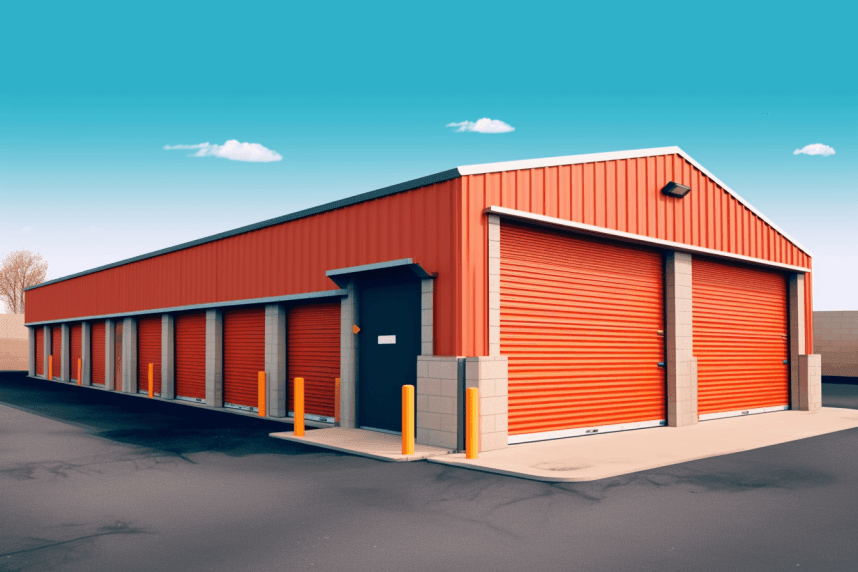
Self-storage refers to a rental service that allows individuals or businesses to lease secure storage space for a specified period. These storage units come in various sizes, offering an ideal solution for storing items that may not fit in your home or business premises. Self-storage provides 24/7 access, giving you the convenience to retrieve or store your belongings as needed, ensuring maximum flexibility for personal or business use.

The Rise of Self-Storage: Why More People Are Opting for It

In the last decade, self-storage has become a booming industry. The appeal lies in its practicality and adaptability, catering to a wide range of storage needs. Let’s explore some of the key factors contributing to the popularity of self-storage.

1. Urbanization and Smaller Living Spaces

As cities expand and more people choose urban living, the availability of large homes or apartments is decreasing. Smaller living spaces often mean limited storage for personal belongings. Self-storage units provide a viable solution for residents of crowded cities, allowing them to store excess belongings such as seasonal clothing, furniture, or even sporting equipment. With self-storage, people can maximize their home’s available space while still holding onto items they don’t use every day.

2. Easier Moving and Relocation

Whether you're relocating for a new job, downsizing, or undergoing home renovations, moving can be a stressful process. Self-storage offers a convenient way to temporarily store belongings while transitioning from one location to another. If you’re waiting for your new home to be ready, or you simply need a place to store items during renovations, a 中和迷你倉庫 unit ensures your belongings are secure and easily accessible without cluttering up temporary living spaces.

3. Business Storage Needs

Small and medium-sized businesses (SMBs), as well as e-commerce companies, are increasingly turning to self-storage for inventory management and document storage. Instead of renting a large office space or warehouse, businesses can use self-storage units to keep excess inventory, office supplies, or even documents. This provides businesses with the flexibility to scale their storage needs as they grow while keeping costs manageable. Moreover, self-storage helps businesses stay organized and avoid clutter in their primary workspaces.

4. Seasonal Storage

Self-storage is a practical solution for storing seasonal items that take up valuable space at home. This includes everything from holiday decorations, winter clothing, and sports equipment to outdoor furniture. By renting a self-storage unit, individuals can rotate these items in and out of storage based on the season, allowing for more efficient use of their living spaces. It’s particularly beneficial in areas with extreme seasonal weather, as it provides a secure place for items that need to be stored during off-seasons.

5. Decluttering and Organization

Living in a clutter-free environment promotes better mental health and productivity. For many, it’s difficult to part with sentimental items or belongings that are rarely used. Self-storage offers a solution to this dilemma. Instead of throwing away or donating valuable items, individuals can store them in a self-storage unit, creating a more organized and comfortable living or working space. This is especially helpful for people who are downsizing or moving into smaller homes but still wish to keep treasured possessions.

Different Types of Self-Storage Units

Self-storage facilities offer a range of unit types to cater to various needs. Understanding the different options available can help you make an informed decision when choosing the best storage solution for you.

1. Standard Storage Units

Standard storage units are the most basic type of self-storage and are perfect for general storage needs. These units are typically non-climate controlled, making them suitable for storing items that aren’t sensitive to temperature changes, such as household furniture, books, and clothing. Standard units come in various sizes, allowing you to select the one that best matches the volume of items you need to store.

2. Climate-Controlled Units

Climate-controlled units are specifically designed to protect sensitive items from extreme temperature fluctuations and humidity. These units maintain a consistent temperature and humidity level, making them ideal for storing valuable or delicate items such as electronics, artwork, antiques, wine collections, or important documents. Although these units come at a higher price, they offer peace of mind for those storing valuable possessions.

3. Drive-Up Units

Drive-up units are convenient, ground-level storage spaces that allow you to drive directly to the unit for easy loading and unloading. This type of unit is perfect for storing bulky or heavy items, as there is no need to carry them through hallways or elevators. Drive-up units are often used by both homeowners and businesses that need quick and easy access to their stored goods.

4. Vehicle Storage

Self-storage is not limited to just household items or business inventory—it also includes vehicle storage. For those who own cars, boats, RVs, or motorcycles, self-storage offers secure and affordable options to store these vehicles when not in use. Whether you're storing your boat during the winter months or keeping a classic car safe, vehicle storage ensures that your property is protected from the elements and potential theft.

5. Portable Storage Units

Portable storage units are an increasingly popular option for people who want the convenience of having a storage unit delivered directly to their home or office. With portable storage, the container is dropped off at your location, and you can load it at your own pace. Once filled, the unit is picked up and transported to a storage facility or moved to a new location, providing a seamless experience for those in the process of moving or downsizing.

Key Benefits of Self-Storage

Self-storage provides numerous advantages, which are the primary reasons it has become such a popular solution. Some key benefits include:

  • Convenience: Self-storage offers 24/7 access to your belongings, allowing you to retrieve or store items whenever you need them.
  • Security: Self-storage facilities prioritize security, offering surveillance cameras, gated access, individual unit locks, and sometimes on-site staff. Many facilities also provide climate control for sensitive items.
  • Flexibility: Self-storage allows you to rent a unit on a short-term or long-term basis, offering flexibility for both personal and business use.
  • Affordability: Self-storage is a cost-effective alternative to renting a larger home, office space, or warehouse, allowing you to store items without committing to long-term leases or large upfront costs.
  • Variety: There’s a wide selection of storage unit sizes and types available, allowing you to choose the right fit for your needs.

How to Choose the Right Self-Storage Facility

When selecting a self-storage facility, consider the following factors:

  1. Location: Choose a facility that is conveniently located near your home or business for easy access.
  2. Security Features: Ensure the facility provides robust security measures such as surveillance, controlled access, and alarms.
  3. Size and Availability: Assess your storage needs and select a unit size that fits your belongings. Make sure the facility has availability when you need it.
  4. Pricing: Compare prices and ensure the facility offers competitive rates, while also factoring in the additional services you may require, such as climate control.
  5. Customer Service: Look for a facility with helpful and professional staff who are available to assist with any questions or concerns.

Conclusion

Self-storage has revolutionized the way people and businesses manage their belongings, offering a practical, secure, and affordable solution to space limitations. With a wide range of unit types, flexible rental options, and advanced security features, self-storage has become an invaluable service in today’s fast-paced world. Whether you're looking to declutter your home, store business inventory, or keep seasonal items safe, self-storage provides the perfect solution to help you organize and optimize your space.

The Stage Business Of Movies: Executive Director In FilmmakingThe Stage Business Of Movies: Executive Director In Filmmaking

nbsp; ดูหนังออนไลน์.

In the glamourous earthly concern of Hollywood, where creativeness meets Department of Commerce, the role of film executives is material in delivery cinematic masterpieces to life Bardya Ziaian. These executives are the squeeze behind the byplay side of filmmaking, responsible for for overseeing the product, distribution, and merchandising of movies. Their decisions can make or break a film, influencing its success at the box office and shaping its legacy in the manufacture.

nbsp;

Executive excellence in filmmaking requires a unique immingle of originative visual sensation, strategic thought process, and keen stage business acumen. These individuals play a crucial role in every present of the filmmaking work on, from selecting scripts and endowment to securing backing and negotiating statistical distribution deals. They must navigate a complex landscape of artistic collaborationism, commercial enterprise constraints, and commercialise trends to deliver top-notch amusement that resonates with audiences.

nbsp;

One of the key responsibilities of film executives is identifying likely projects and nurturing them from construct to pass completion. This involves exploratory survey for gifted filmmakers and actors, evaluating scripts, and collecting the right team to bring up the visual sensation to life. Executives must have a acutely eye for timbre and a hang for predicting trends to see to it that their investments pay off at the box power.

nbsp;

In plus to originative superintendence, film executives also play a material role in managing the commercial enterprise aspects of production. They are responsible for for scene budgets, negotiating contracts, and maximising profitability for their projects. This requires a deep understanding of the manufacture landscape, as well as the ability to balance artistic visual sensation with commercial considerations.

nbsp;

Furthermore, film executives must be wizard at building relationships and negotiating deals with key stakeholders, including natural endowment agencies, studios, and distributors. Effective communication and dialogue skills are necessary for navigating the complex web of relationships that support the film industry and ensuring triple-crown collaborationism on projects.

nbsp;

In now 39;s fast-paced and militant entertainment landscape, film executives must also be reconciling and innovative in their go about to filmmaking. They must stay ahead of industry trends, squeeze new technologies, and leverage data analytics to make wise decisions that winner in an ever-evolving mart.

nbsp;

Ultimately, executive director excellence in filmmaking is about more than just making money ndash; it 39;s about creating art that inspires, entertains, and resonates with audiences around the earth. By balancing originative visual sensation with plan of action thinking and business acumen, film executives play a essential role in formation the appreciation landscape painting and driving the continuing achiever of the industry. Their leadership and dedication to are necessity ingredients in the recipe for cinematic success.

Group Shipping: The Future of Cost-Efficient LogisticsGroup Shipping: The Future of Cost-Efficient Logistics

Group shipping is a logistics strategy that allows multiple shipments from different businesses or individuals to be consolidated into a single transport. This approach offers significant cost savings, improves efficiency, and reduces environmental impact. As global trade expands, 集運 is becoming an increasingly popular solution for businesses seeking streamlined logistics operations.

Advantages of Group Shipping

  1. Lower Shipping Costs
    By sharing transportation expenses, businesses can significantly reduce their overall shipping costs.

  2. More Efficient Deliveries
    Consolidating shipments allows for optimized routes and faster transit times, improving supply chain efficiency.

  3. Eco-Friendly Solution
    Reduced fuel consumption and fewer emissions make group shipping a more sustainable logistics option.

  4. Optimized Space Utilization
    Maximizing available cargo space ensures fewer wasted resources and lower operational costs.

Challenges of Group Shipping

  1. Coordination Complexity
    Managing multiple shipments within a single transport requires careful planning and communication.

  2. Less Flexibility
    Fixed schedules and routes may not be ideal for businesses requiring urgent deliveries.

  3. Risk of Delays
    If one shipment within the group is delayed, it can affect the entire consolidated load’s delivery time.

Best Practices for Implementing Group Shipping

  1. Choose a Reliable Logistics Partner
    Working with experienced shipping providers ensures smooth and efficient group shipping operations.

  2. Utilize Digital Tracking Systems
    Real-time tracking enhances shipment visibility, reducing uncertainties and improving planning.

  3. Plan Shipments in Advance
    Early coordination helps optimize consolidation opportunities and prevents last-minute issues.

  4. Ensure Proper Packaging and Documentation
    Secure packaging and accurate labeling help prevent damages and misplacements during transit.

Conclusion

Group shipping is an innovative logistics solution that helps businesses cut costs, improve efficiency, and promote sustainability. While it presents some coordination challenges, strategic planning and reliable logistics partnerships can help maximize its benefits. As businesses continue to seek smarter shipping methods, group shipping remains a valuable tool for modern supply chain management.