
How to build a color palette for one event?
When you plan a single event, colors matter more than most people realize. A color palette is not just about decoration. It sets the mood, creates harmony, and helps everything look connected. 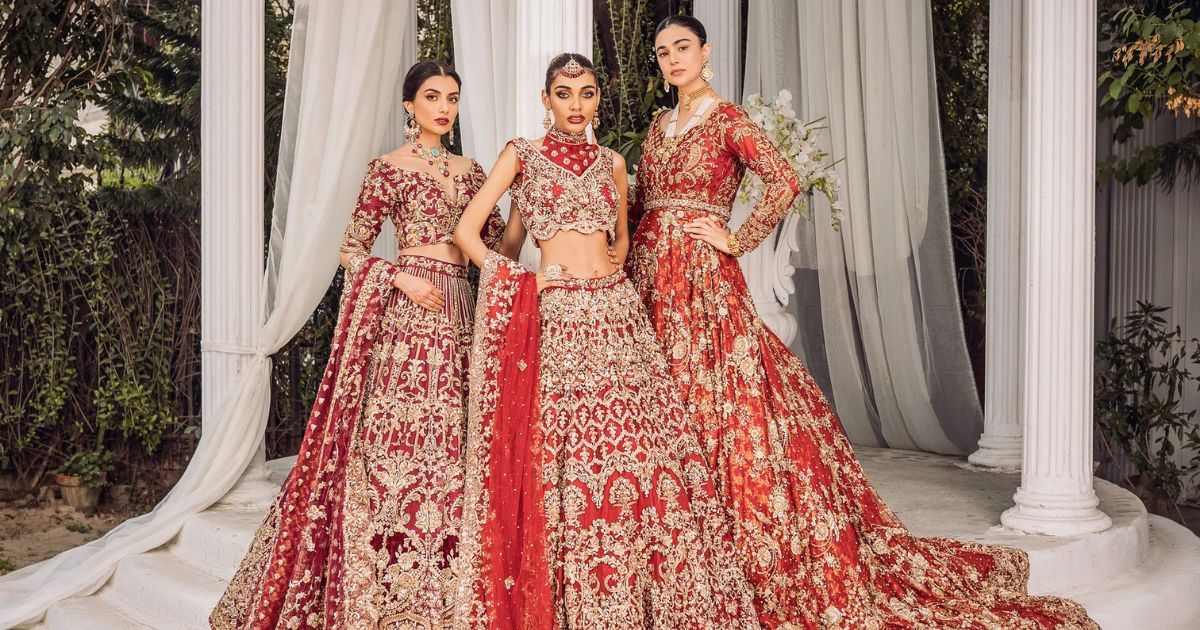 From invitations to outfits, from flowers to lighting, colors guide the entire experience. Whether it is a wedding, birthday, cultural gathering, fashion show, or formal dinner, one well-planned palette can make the event unforgettable.
For many celebrations, especially those inspired by pakistani designer clothes, color selection becomes even more important. These clothes are known for rich tones, detailed embroidery, and cultural meaning. Building a color palette that supports such styles requires care, balance, and creativity. This guide explains step by step how to build a color palette for one event in a simple and practical way.
What a Color Palette Is
A color palette is a planned group of colors used consistently across one event. It usually includes one main color, a few supporting colors, and one or two accent shades. These colors appear in décor, clothing, printed materials, table settings, and even makeup or lighting.
When the palette is clear, the event looks organized and professional. This is especially true when styling events that include pakistani designer clothes, because these outfits already carry strong visual identity. A good palette enhances them instead of competing with them.
Why One Event Needs One Clear Palette
Using too many colors can make an event look messy. Using too few can make it dull. A single palette keeps everything balanced. It helps guests feel comfortable and makes photos look better.
Events that showcase pakistani designer clothes often include detailed textures like silk, chiffon, organza, and velvet. A focused color palette allows these textures to shine. It also helps different elements, like stage décor and guest outfits, feel connected.
Step One: Define the Purpose of the Event
Before choosing colors, understand the event itself. Ask simple questions. Is the event formal or casual? Is it daytime or nighttime? Is it traditional or modern? Is it indoors or outdoors?
A wedding featuring pakistani designer clothes may need regal colors like emerald, maroon, or gold. A casual gathering might work better with pastels or soft neutrals. The purpose of the event guides your color direction from the start.
Step Two: Choose One Main Color
The main color is the heart of your palette. Everything else supports it. Choose one shade that represents the event’s feeling. For cultural or fashion-focused events, this color often comes from clothing.
If the event includes pakistani designer clothes, look at the dominant color in the main outfit. Bridal wear may inspire deep reds or golds. Formal wear might inspire navy, ivory, or charcoal. Make sure the main color feels strong but not overwhelming.
Step Three: Add Supporting Colors
Supporting colors work alongside the main color. They add depth and interest. Usually, two or three supporting colors are enough. They should not overpower the main shade.
For events inspired by pakistani designer clothes, supporting colors often come from embroidery threads, dupatta borders, or stonework. For example, if the main color is emerald green, supporting colors might be ivory and antique gold. This keeps the palette rich but controlled.
Step Four: Choose Accent Colors Carefully
Accent colors are small pops of contrast. They appear in details like flowers, table napkins, candles, or jewelry. These colors should be used lightly.
When working with pakistani designer clothes, accent colors can be bold if used carefully. A hint of fuchsia, turquoise, or copper can add excitement without overpowering the event. The key is restraint.
Step Five: Consider Cultural Meaning of Colors
Colors carry meaning, especially in South Asian culture. Red often symbolizes celebration and love. Green can represent prosperity. White may symbolize purity but also mourning in some contexts.
When building a palette around pakistani designer clothes, cultural meaning is very important. Using colors that respect traditions makes the event feel thoughtful and authentic. Always consider the audience and the cultural setting.
Step Six: Match Colors With the Season
Seasons influence how colors look and feel. Summer works well with light and fresh tones. Winter suits deeper and richer shades. Spring allows soft pastels. Autumn favors warm earthy hues.
Events featuring pakistani designer clothes often follow seasonal color trends. Lawn collections inspire light palettes, while winter formals inspire jewel tones. Matching the palette with the season keeps the event visually comfortable.
Step Seven: Balance Warm and Cool Tones
Every color is either warm or cool. Warm colors feel energetic. Cool colors feel calm. A good palette often includes both to create balance.
If the main outfit from pakistani designer clothes is warm, like maroon or mustard, add cool tones like ivory or sage. This balance prevents the palette from feeling too heavy or too cold.
Step Eight: Test Colors Together
Never choose colors in isolation. Always test them together. Place fabric swatches side by side. Print sample invitations. Try lighting samples.
This step is crucial when styling events with pakistani designer clothes because fabric sheen and embroidery can change how colors look. Testing ensures harmony before final decisions.
Step Nine: Apply the Palette Across All Elements
Once the palette is finalized, use it everywhere. Invitations, stage décor, table settings, flowers, lighting, and outfits should all reflect the same colors.
For events centered on pakistani designer clothes, ensure that décor does not clash with the clothing. If outfits are heavy and detailed, keep décor simpler but within the same palette.
Step Ten: Keep Guest Experience in Mind
Guests should feel comfortable, not overwhelmed. Strong colors should be balanced with neutral spaces. Seating areas, walkways, and dining spaces need visual rest.
Even when showcasing bold pakistani designer clothes, neutral tones like beige, ivory, or soft grey help create balance. This makes the event enjoyable and elegant.
Common Mistakes to Avoid
One common mistake is using too many colors. Another is ignoring lighting. Artificial lights can change how colors appear. A third mistake is copying trends without considering the event’s theme.
When planning around pakistani designer clothes, avoid matching everything exactly. Slight variation within the same palette creates depth and sophistication.
How Fashion Influences Event Color Palettes
Fashion trends often guide event colors. Designers release seasonal collections that influence public taste. Events connected to fashion naturally reflect these trends.
Pakistani designer clothes play a big role in shaping event aesthetics. Their use of colors, textures, and patterns often inspires full event palettes, from flowers to stage backdrops.
Using Neutrals as a Strong Base
Neutrals are not boring. They are powerful. Colors like ivory, beige, grey, and champagne help anchor bold shades.
For events with colorful pakistani designer clothes, neutrals allow outfits to stand out. They also create elegance and reduce visual clutter.
Creating Mood Through Color
Colors influence emotions. Blue feels calm. Red feels energetic. Green feels refreshing. Purple feels luxurious.
When choosing a palette inspired by pakistani designer clothes, think about the mood you want. A festive mood may need brighter colors. A formal mood may need deeper, muted tones.
Coordinating Multiple Outfits Within One Palette
Some events include several main outfits. For example, weddings have mehndi, barat, and walima looks. The palette should connect all outfits.
Using pakistani designer clothes, choose one overall palette and adjust shades for each function. This creates variety while maintaining unity.
Simplicity Is the Secret
A successful color palette is simple. One main color, two or three supporting colors, and one accent is enough. More than that can confuse the eye.
Even the most elaborate pakistani designer clothes benefit from simple surrounding colors. Simplicity allows craftsmanship to shine.
Final Thoughts on Building a Color Palette
Building a color palette for one event is a thoughtful process. It requires understanding the event, respecting culture, and balancing creativity with restraint. Colors should support the theme, not overpower it.
When the event includes pakistani designer clothes, the palette should highlight their beauty, richness, and cultural value. By following clear steps, testing choices, and keeping the guest experience in mind, anyone can create a stunning and memorable event palette.
Conclusion
A well-built color palette transforms an ordinary event into an unforgettable experience. It brings harmony, beauty, and emotional impact.
From defining the event purpose to choosing the right accents, each step matters. When inspired by pakistani designer clothes, color selection becomes even more meaningful because it connects fashion, culture, and celebration.
By keeping the palette simple, balanced, and culturally aware, you can design an event that looks elegant, feels comfortable, and leaves a lasting impression on every guest.