
Role of Desiccant Strips in Shipping
Shipping goods across cities, countries, and continents is a complex process. Products often travel long distances by sea, air, or land and remain packed for weeks or even months.
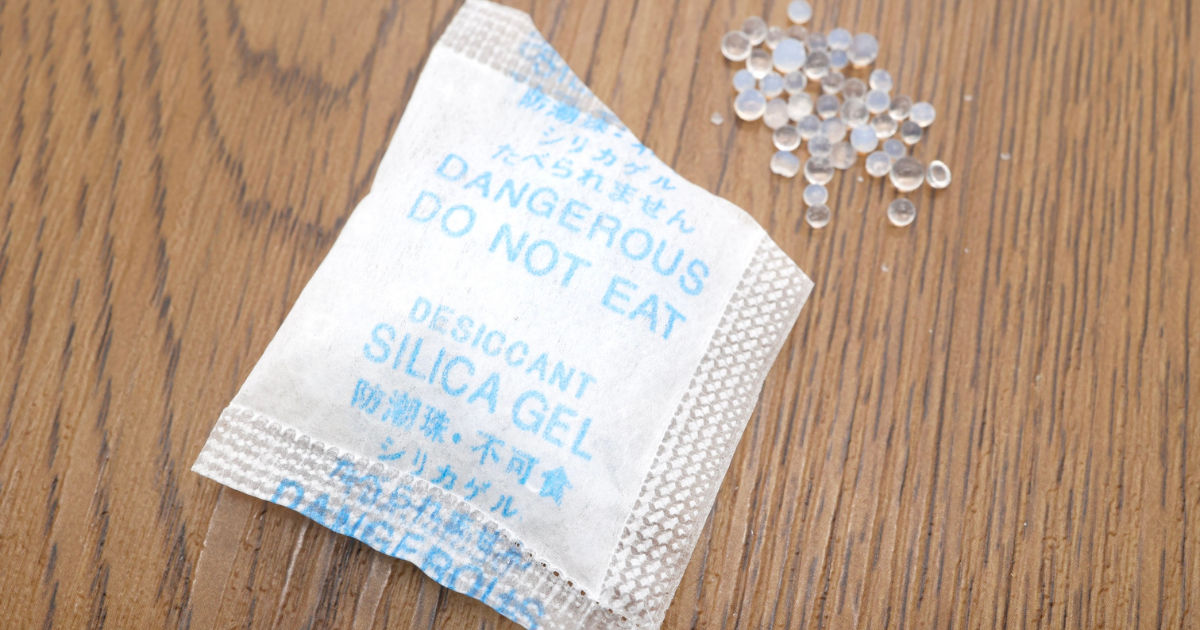
During this journey, one of the biggest hidden threats to cargo safety is moisture. Excess humidity can quietly damage goods, reduce quality, and cause major financial losses. This is where Desiccant Container Strips play a critical role.
Desiccant Container Strips are specially designed moisture-absorbing products used inside shipping containers and packaging. Their main job is to control humidity levels and protect cargo from moisture-related damage. In modern logistics, Desiccant Container Strips have become an essential tool for safe and reliable shipping. From electronics to food items and industrial equipment, many industries depend on Desiccant Container Strips to maintain product quality during transit.
This comprehensive guide explains the role of desiccant strips in shipping, how they work, why they are important, and how businesses can use them effectively. The content is written in simple language for a 12th-grade audience, with short paragraphs for easy reading and understanding.
Moisture Problems in Shipping
Moisture is a natural part of the environment. However, inside a sealed shipping container, it can become dangerous. Changes in temperature during shipping cause air inside containers to heat up and cool down. When warm air cools, moisture condenses into water droplets.
This phenomenon is often called “container rain.” Water forms on the container ceiling and walls and then drips onto the cargo. Even small amounts of moisture can cause serious problems over time.
Common moisture-related issues include rust on metal parts, mold growth on fabrics, warping of wood, damaged packaging, and spoiled food products. Without protection, these issues can lead to rejected shipments and financial losses.
Desiccant Container Strips are designed to prevent these problems by absorbing excess moisture before it turns into liquid water.
What Are Desiccant Container Strips?
Desiccant Container Strips are long, narrow moisture-absorbing products placed inside shipping containers. They are usually hung from container walls or ceilings to maximize air contact. Unlike small desiccant packets used in boxes, Desiccant Container Strips are made for large spaces like containers and trailers.
These strips contain desiccant materials such as calcium chloride, clay, or silica gel. The materials pull moisture from the air and trap it inside the strip. Some Desiccant Container Strips can absorb several times their own weight in water.
Their design allows them to work continuously throughout the shipping journey. Once installed, Desiccant Container Strips require no power or maintenance.
How Desiccant Container Strips Work
The working principle of Desiccant Container Strips is simple but effective. Desiccants attract and hold water molecules from the surrounding air. This process is called adsorption or absorption, depending on the material used.
As humidity levels rise inside the container, Desiccant Container Strips begin pulling moisture from the air. This reduces the overall humidity and prevents condensation from forming on container surfaces.
Calcium chloride-based Desiccant Container Strips are especially powerful. They absorb moisture and turn it into a gel or liquid that remains safely contained within the strip. This prevents water from leaking back into the container.
By controlling humidity, Desiccant Container Strips create a safer environment for goods throughout the shipping process.
Importance of Desiccant Container Strips in Global Shipping
Global shipping exposes cargo to extreme climate changes. A container may move from a hot, humid port to a cold ocean environment and then to a dry inland destination. Each temperature change increases the risk of condensation.
Desiccant Container Strips help stabilize the container environment regardless of external conditions. They reduce moisture-related risks that are difficult to control through packaging alone.
For exporters and importers, using Desiccant Container Strips is a proactive step toward cargo protection. Many shipping claims related to moisture damage can be avoided simply by installing Desiccant Container Strips.
In competitive markets, protecting product quality is essential. Desiccant Container Strips support this goal by reducing damage, returns, and customer complaints.
Types of Desiccant Container Strips
Calcium Chloride Desiccant Strips
Calcium chloride Desiccant Container Strips are widely used due to their high absorption capacity. They can absorb large amounts of moisture and are ideal for long sea voyages.
These Desiccant Container Strips work well in high-humidity environments and are commonly used for metal goods, machinery, and electronics.
Clay-Based Desiccant Strips
Clay-based Desiccant Container Strips are made from natural materials. They are effective for moderate humidity control and are often chosen for environmentally friendly shipping solutions.
These strips are suitable for shorter journeys or less moisture-sensitive cargo.
Silica Gel Desiccant Strips
Silica gel Desiccant Container Strips offer reliable moisture control and are non-toxic. They are commonly used for pharmaceuticals, textiles, and food packaging.
Each type of Desiccant Container Strips serves different shipping needs, depending on cargo type and route.
Industries That Rely on Desiccant Container Strips
Many industries depend on Desiccant Container Strips to protect their goods during shipping.
The electronics industry uses Desiccant Container Strips to prevent corrosion and short circuits caused by moisture. Even slight humidity can damage circuit boards and components.
The automotive industry relies on Desiccant Container Strips to protect metal parts from rust. Engine components, tools, and spare parts are especially vulnerable.
The textile and apparel industry uses Desiccant Container Strips to prevent mold and unpleasant odors. Moisture can ruin fabric quality and appearance.
The food industry benefits from Desiccant Container Strips by maintaining dry conditions that prevent spoilage and packaging damage.
Pharmaceutical companies also depend on Desiccant Container Strips to maintain strict moisture control standards.
Placement of Desiccant Container Strips in Shipping Containers
Proper placement is essential for Desiccant Container Strips to work effectively. They should be installed before loading the cargo.
Typically, Desiccant Container Strips are hung along the container walls or ceiling. This allows them to absorb moisture rising through warm air.
The number of Desiccant Container Strips used depends on container size, cargo type, and journey length. High-humidity routes may require more strips for adequate protection.
Correct placement ensures even moisture control throughout the container.
Benefits of Using Desiccant Container Strips
One major benefit of Desiccant Container Strips is moisture damage prevention. They reduce the risk of rust, mold, and product deterioration.
Another advantage is cost savings. By preventing damage, Desiccant Container Strips help businesses avoid losses, insurance claims, and customer dissatisfaction.
Desiccant Container Strips also improve cargo reliability. Products arrive in better condition, supporting brand reputation and customer trust.
They are easy to use and require no special training. This simplicity makes Desiccant Container Strips a practical solution for businesses of all sizes.
Environmental Considerations
Many modern Desiccant Container Strips are designed with sustainability in mind. Some use biodegradable materials or recyclable components.
Clay-based Desiccant Container Strips are often chosen for their natural composition. Even calcium chloride Desiccant Container Strips are considered safe when properly disposed of.
Using Desiccant Container Strips also reduces waste by preventing damaged goods from being discarded.
Common Mistakes When Using Desiccant Container Strips
One common mistake is using too few Desiccant Container Strips. Insufficient moisture absorption can lead to partial protection and unexpected damage.
Another mistake is improper placement. Desiccant Container Strips should not be blocked by cargo or packaging materials.
Some shippers forget to consider journey length. Longer trips require more Desiccant Container Strips to maintain humidity control.
Avoiding these mistakes ensures maximum effectiveness of Desiccant Container Strips.
Desiccant Container Strips vs Other Moisture Control Methods
Alternative moisture control methods include plastic liners, moisture-resistant packaging, and ventilation systems. While these methods help, they may not fully prevent condensation.
Desiccant Container Strips offer active moisture absorption, unlike passive barriers. They work continuously and adapt to changing humidity levels.
For best results, Desiccant Container Strips are often used alongside other protective measures.
Choosing the Right Desiccant Container Strips
Selecting the right Desiccant Container Strips depends on cargo sensitivity, shipping route, and container size.
High-value or moisture-sensitive goods require high-capacity Desiccant Container Strips. Less sensitive cargo may need standard options.
Consulting suppliers and understanding product specifications helps ensure effective moisture control.
Safety and Handling of Desiccant Container Strips
Desiccant Container Strips are generally safe to handle. However, basic precautions should be followed.
They should be installed with dry hands and stored in sealed packaging before use. Damaged strips should not be used.
Proper handling ensures the effectiveness and safety of Desiccant Container Strips.
Future of Desiccant Container Strips in Shipping
As global trade continues to grow, the demand for reliable moisture control solutions will increase. Desiccant Container Strips are expected to evolve with improved absorption capacity and eco-friendly materials.
Smart packaging and humidity-monitoring technologies may work alongside Desiccant Container Strips in the future.
Despite technological advances, Desiccant Container Strips will remain a simple and effective solution for moisture control.
Conclusion
Moisture is a silent but serious threat in shipping. Without proper protection, it can damage goods, reduce quality, and cause financial losses. Desiccant Container Strips play a vital role in preventing these issues by actively absorbing excess humidity inside shipping containers.
From electronics and textiles to food and pharmaceuticals, many industries rely on Desiccant Container Strips to protect their cargo during transit. Their ease of use, cost-effectiveness, and reliability make them an essential part of modern logistics.
By understanding how Desiccant Container Strips work, choosing the right type, and placing them correctly, businesses can significantly reduce moisture-related risks. As shipping routes become longer and more complex, the importance of Desiccant Container Strips will only continue to grow.
Investing in Desiccant Container Strips is not just about protecting products; it is about ensuring quality, customer satisfaction, and long-term success in global trade.