
What Makes Online OCR Document Digitizer?
In today’s digital world, paperwork is quickly turning into pixels. Businesses, schools, and individuals all need faster ways to manage documents. This is where Online OCR becomes essential. Online OCR tools help convert scanned papers, PDFs, and images into editable and searchable text within seconds. Instead of typing everything manually, users can rely on Online OCR to recognize characters automatically and transform printed or handwritten text into digital form.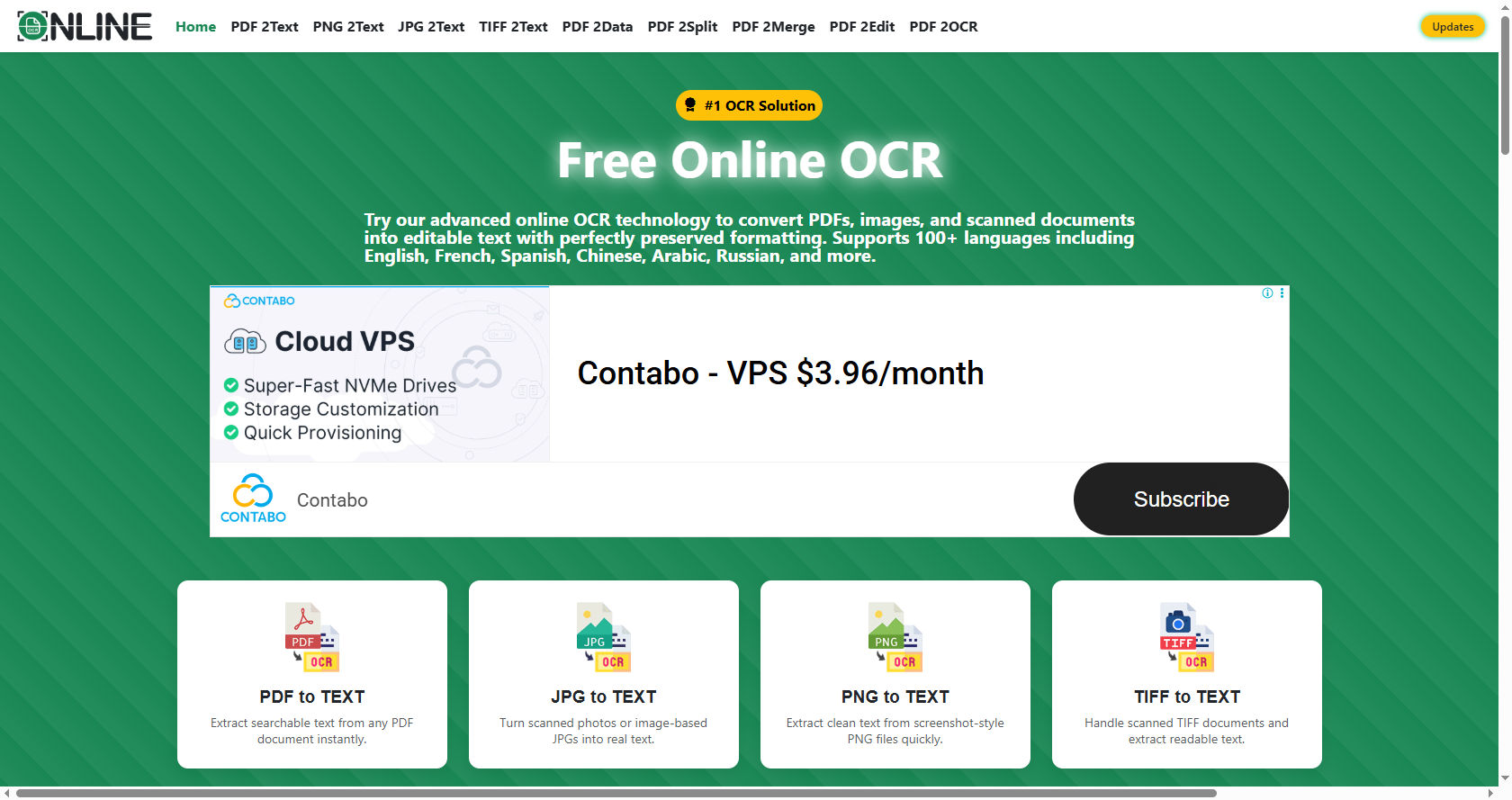
An Online OCR document digitizer is more than just a scanner. It is a smart system that reads text from images and converts it into usable formats like Word, Excel, or plain text files. With the growth of remote work and cloud technology, Online OCR solutions are becoming more popular than ever. They save time, reduce human error, and improve efficiency.
This comprehensive guide explains what makes Online OCR document digitizers powerful, how they work, their benefits, features, use cases, challenges, and future trends.
Understanding the Basics of Online OCR
What is OCR?
OCR stands for Optical Character Recognition. It is a technology that identifies text within images and scanned documents. When you upload a scanned file to an Online OCR platform, the system analyzes the shapes of letters and numbers, then converts them into machine-readable text.
What is Online OCR?
Online OCR refers to OCR services that operate through a web browser. You do not need to install software. You simply upload your file, and the Online OCR system processes it in the cloud. The converted file can then be downloaded in different formats.
Unlike traditional desktop OCR tools, Online OCR platforms are accessible from anywhere. All you need is an internet connection.
How Online OCR Document Digitizer Works
Image Capture
The process begins when a document is scanned or photographed. The image may be in JPG, PNG, TIFF, or PDF format. The quality of the image plays a major role in how accurately Online OCR performs.
Pre-Processing
Before recognizing text, the Online OCR system improves the image. It may adjust brightness, remove noise, straighten tilted pages, and sharpen text. This step ensures better accuracy.
Text Recognition
The core of Online OCR is character recognition. The system compares shapes in the image with stored character patterns. Advanced tools use Artificial Intelligence and Machine Learning to improve recognition over time.
Post-Processing
After recognizing text, Online OCR software corrects possible errors using language dictionaries and formatting rules. The final output becomes editable and searchable.
Key Features That Make Online OCR Powerful
High Accuracy
One major strength of Online OCR is its accuracy. Modern tools can achieve very high precision, especially when the input image is clear. AI-powered Online OCR systems continue learning and improving with more data.
Multi-Language Support
Many Online OCR platforms support multiple languages. This feature is important for global businesses and educational institutions.
Multiple File Format Support
A good Online OCR document digitizer allows users to upload various file types and download results in formats like DOCX, TXT, XLSX, or searchable PDF.
Cloud-Based Accessibility
Since Online OCR works online, users can access it from laptops, tablets, or smartphones. There is no need for high storage space or powerful hardware.
Batch Processing
Some advanced Online OCR tools allow batch processing. This means multiple documents can be converted at once, saving even more time.
Benefits of Using Online OCR Document Digitizer
Saves Time
Manually typing documents takes hours. Online OCR completes the same task in minutes.
Reduces Human Errors
Typing errors are common when copying text manually. Online OCR reduces mistakes by automatically recognizing characters.
Improves Productivity
By automating document conversion, Online OCR allows employees and students to focus on more important tasks.
Enhances Searchability
Scanned PDFs are often just images. After using Online OCR, documents become searchable. This makes it easier to find specific words or data.
Supports Paperless Environment
Using Online OCR helps reduce paper usage. Digital documents are easier to store, share, and manage.
Real-World Applications of Online OCR
Education Sector
Students and teachers use Online OCR to digitize notes, textbooks, and assignments. It makes editing and sharing content simple.
Business and Finance
Companies rely on Online OCR to process invoices, receipts, and contracts. It speeds up data entry and reduces paperwork.
Healthcare Industry
Hospitals use Online OCR to digitize patient records and medical reports. This improves data management and accessibility.
Legal Field
Law firms convert legal documents into searchable files using Online OCR, making case research faster.
Government Offices
Government agencies digitize archives and official records with Online OCR, ensuring long-term preservation.
Online OCR and Artificial Intelligence
Modern Online OCR systems use Artificial Intelligence to improve performance. AI allows the system to recognize different fonts, handwriting styles, and even low-quality scans.
Machine Learning helps Online OCR adapt to new document types. Over time, the system becomes more accurate and efficient.
AI-driven Online OCR can also detect document structure, such as headings, tables, and columns. This keeps formatting intact.
Security and Privacy in Online OCR
Security is important when uploading documents online. Trusted Online OCR platforms use encryption to protect files.
Many Online OCR services automatically delete files after processing. This reduces the risk of data breaches.
Users should always check privacy policies before using any Online OCR tool, especially for sensitive information.
Challenges of Online OCR
Image Quality Issues
Blurry or low-resolution images can reduce Online OCR accuracy.
Complex Layouts
Documents with complex layouts, graphics, or unusual fonts may challenge Online OCR systems.
Handwriting Recognition
Although improving, handwriting recognition in Online OCR can still be less accurate than printed text.
Internet Dependency
Because Online OCR works online, a stable internet connection is required.
Comparing Online OCR with Offline OCR
Offline OCR software is installed on a computer. It may work without internet access. However, Online OCR offers greater convenience and accessibility.
Online OCR tools often update automatically, while offline tools require manual updates.
For most users, Online OCR is more flexible and cost-effective.
How to Choose the Best Online OCR Tool
Check Accuracy Rate
Look for reviews and accuracy statistics before selecting an Online OCR service.
Evaluate Supported Languages
If you work with multiple languages, ensure the Online OCR tool supports them.
Review Security Features
Choose an Online OCR platform that offers encryption and secure file handling.
Compare Pricing
Some Online OCR services are free with limited features, while others offer premium plans.
Test Ease of Use
A good Online OCR interface should be simple and user-friendly.
Steps to Use Online OCR Effectively
-
Scan the document clearly.
-
Upload the file to the Online OCR platform.
-
Select the output format.
-
Choose the language.
-
Start conversion.
-
Download and review the file.
Following these steps ensures better results from Online OCR.
Tips to Improve Online OCR Accuracy
-
Use high-resolution scans.
-
Avoid shadows and glare.
-
Keep documents straight.
-
Choose the correct language setting.
-
Use clean, printed documents when possible.
Applying these tips enhances Online OCR performance.
The Role of Online OCR in Digital Transformation
Digital transformation means moving from paper-based systems to digital processes. Online OCR plays a central role in this shift.
Organizations use Online OCR to convert old paper records into digital archives. This improves storage efficiency and accessibility.
By integrating Online OCR with document management systems, companies create fully automated workflows.
Future Trends in Online OCR Technology
Improved AI Capabilities
Future Online OCR tools will become even more accurate with advanced AI.
Better Handwriting Recognition
Developers are working to enhance handwriting recognition in Online OCR systems.
Mobile Integration
More mobile apps will include Online OCR features, allowing instant scanning and conversion.
Real-Time Translation
Some Online OCR tools may offer real-time translation, combining OCR with language processing.
Integration with Cloud Platforms
As cloud computing grows, Online OCR will integrate more deeply with cloud storage and collaboration tools.
Why Online OCR is Essential for Students
Students benefit greatly from Online OCR when working on research projects.
They can convert printed materials into editable text.
Online OCR also helps students with accessibility needs by transforming text into formats compatible with screen readers.
Environmental Impact of Online OCR
Reducing paper use protects trees and natural resources.
By promoting digital storage, Online OCR supports environmentally friendly practices.
Organizations adopting Online OCR contribute to sustainability goals.
Cost Efficiency of Online OCR
Manual data entry requires time and labor costs.
Using Online OCR reduces these expenses significantly.
Small businesses especially benefit from affordable Online OCR solutions.
Limitations to Consider
While Online OCR is powerful, it is not perfect.
It may struggle with damaged documents.
Users must always review output for minor errors.
Despite these limitations, Online OCR remains highly effective for most tasks.
Conclusion
The world is moving toward faster, smarter, and more efficient document management. In this transformation, Online OCR stands out as a powerful and practical solution. It converts static images into dynamic, editable, and searchable text. It saves time, reduces errors, and improves productivity across industries.
From education and healthcare to business and government, Online OCR is reshaping how we handle information. Its cloud-based accessibility makes it convenient for anyone with an internet connection. AI-powered improvements continue to increase accuracy and expand capabilities.
While challenges like image quality and handwriting recognition remain, advancements in Artificial Intelligence promise even better performance in the future. Security features and encrypted processing also make modern Online OCR tools reliable for sensitive documents.
Choosing the right Online OCR tool requires careful evaluation of accuracy, language support, security, and pricing. When used correctly, Online OCR becomes an essential part of digital transformation strategies.
As technology continues to evolve, Online OCR will likely integrate more deeply with cloud systems, mobile applications, and real-time translation services. Its role in promoting paperless environments and sustainable practices will also grow.
In simple terms, an Online OCR document digitizer is not just a tool. It is a bridge between traditional paperwork and the digital future. For students, professionals, and organizations alike, embracing Online OCR means embracing efficiency, accuracy, and innovation.